Expert list · Last reviewed April 13, 2026
Best Neurologists for Neuromuscular Disease in Florida
Six Florida neurologists specializing in ALS, myasthenia gravis, neuropathy, and muscular dystrophy — selected by research output and clinical depth.
Loading map…
If you or someone you love has been told they may have a neuromuscular disease, getting to the right specialist quickly matters. These conditions — ALS, myasthenia gravis, peripheral neuropathy, muscular dystrophy, and related disorders — are complex enough that even many general neurologists will refer you to a dedicated neuromuscular program. Florida has several of those programs, and the six specialists profiled here are practicing within them right now.
Neuromuscular disease covers a broad set of conditions in which the nerves that control muscles, the muscles themselves, or the junctions between them stop working correctly. ALS attacks the motor neurons that signal muscles throughout the body. Myasthenia gravis disrupts the communication point between nerve and muscle, causing fluctuating weakness that can affect your eyes, speech, swallowing, and limbs. Peripheral neuropathy damages the nerves outside the brain and spinal cord, often starting in the feet and hands. Muscular dystrophies are genetic disorders that progressively weaken muscle tissue directly. What these conditions share is that diagnosing them requires specialized testing — nerve conduction studies, needle EMG, genetic panels, sometimes muscle biopsy — and managing them requires a doctor who has treated many patients with each one.
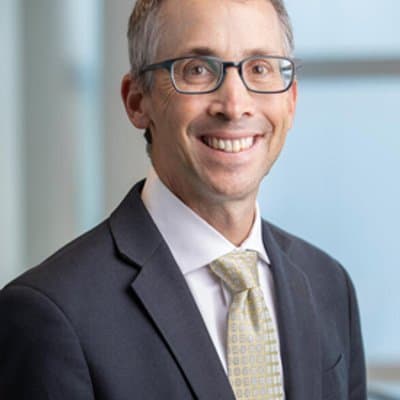
Devon Rubin, MD
Professor of Neurology, Mayo Clinic Alix School of Medicine
Mayo Clinic Florida
View specialist profileDevon Rubin is a professor of neurology at the Mayo Clinic Alix School of Medicine, practicing at Mayo Clinic Florida in Jacksonville. He is a clinical neurophysiologist with deep expertise in electrodiagnostic testing — the nerve conduction studies and needle EMG that are the core diagnostic tools for most neuromuscular conditions. He also treats disorders of the brachial and lumbosacral plexus, peripheral nerves, and the neuromuscular junction.
For patients coming in with arm or leg weakness, numbness, or pain that a general neurologist has not been able to pin down, precise electrodiagnostic work is often what finally produces an answer. Rubin contributed to a widely cited guide on needle EMG published in Muscle & Nerve that laid out the technical and interpretive standards clinicians use to assess motor unit disease, from the anterior horn cells in the spinal cord all the way out to the muscles 1. His 2020 review on brachial and lumbosacral plexopathies — conditions where nerve damage to the shoulder or pelvic network mimics multiple other disorders — covers how electrodiagnostic testing, MRI, and serological work together to reach a correct diagnosis 2. Both works are actively cited by neurophysiologists and form part of the standard educational framework for trainees in the field.
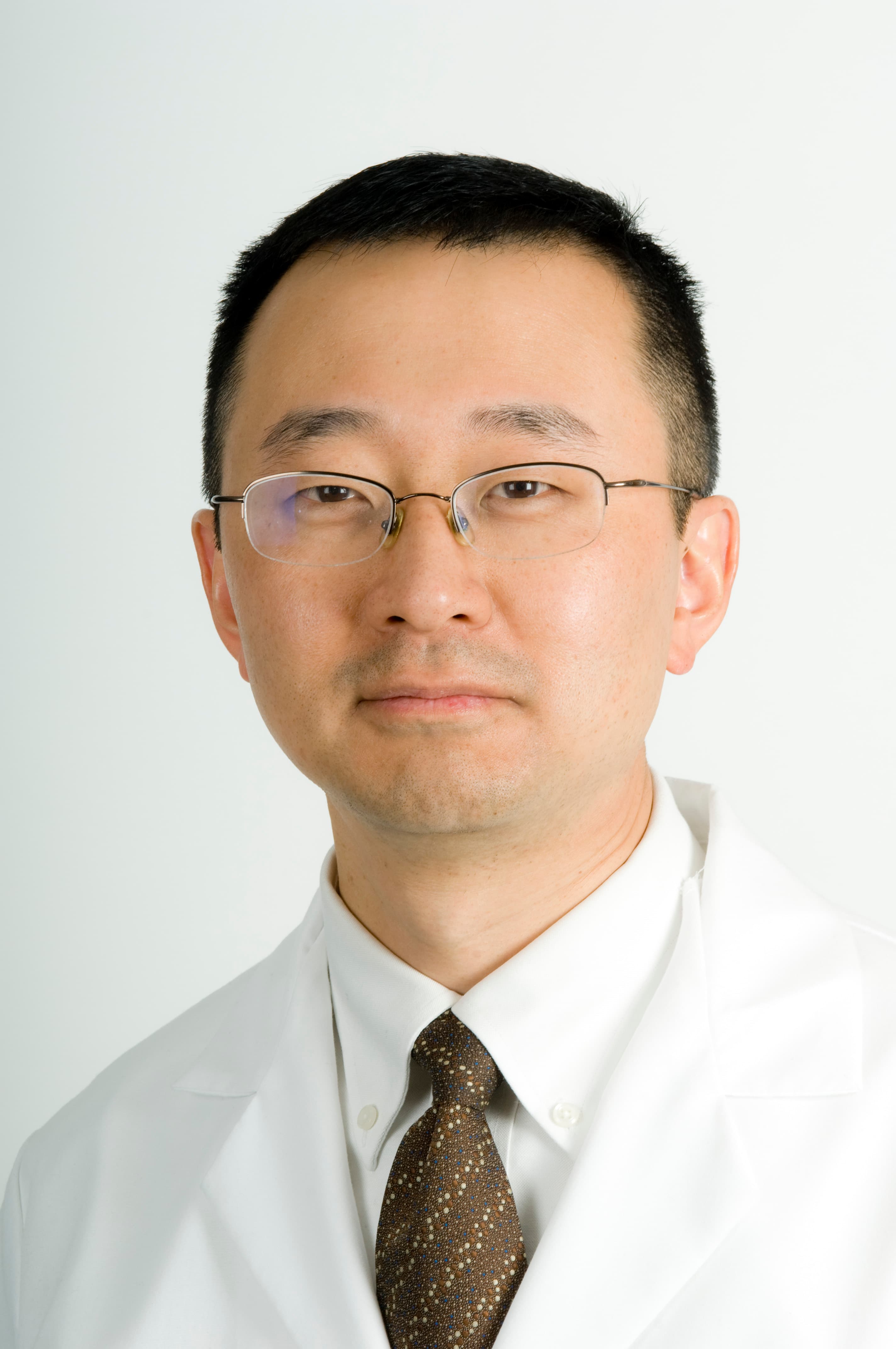
Peter Kang, MD
Professor of Pediatrics & Chief of the Division of Pediatric Neurology, University of Florida College of Medicine
University of Florida College of Medicine
View specialist profilePeter Kang is a professor of pediatrics and chief of the Division of Pediatric Neurology at the University of Florida College of Medicine in Gainesville. His clinical focus is children with neuromuscular and neurogenetic conditions, including muscular dystrophies, congenital myopathies, spinal muscular atrophy, and inherited neuropathies. For families in Florida with a child who has unexplained muscle weakness or a suspected genetic muscle disease, UF Gainesville is one of the places with the diagnostic depth to work through complex cases.
Kang contributed to a landmark 2017 study in Science Translational Medicine showing that transcriptome sequencing — analyzing how genes are actually expressed in tissue — can resolve genetic diagnoses that standard DNA sequencing misses 3. In the study, RNA sequencing identified a molecular cause in 35 percent of patients who had already received negative results on conventional genetic testing. For children with rare neuromuscular diseases where a genetic diagnosis is both clinically important and elusive, that methodology has changed what is possible. His research involvement reflects the kind of engagement with cutting-edge genetic diagnostics that matters when a child's condition does not fit a standard pattern.
Clifton Gooch, M.D.
Professor and Chair of Neurology and Associate Dean for Clinical Research at the University of South Florida Morsani College of Medicine
Tampa General Hospital
View specialist profileClifton Gooch is professor and chair of neurology at the University of South Florida Morsani College of Medicine and practices at Tampa General Hospital. His research record covers ALS biomarkers, peripheral neuropathy, and the broad burden of neurological disease — and he has been involved in clinical trials spanning several neuromuscular conditions. Tampa General and USF together make up one of the larger academic neurology programs in the state.
His work on ALS biomarkers includes a study in Neurology evaluating quantitative markers for upper and lower motor neuron dysfunction using MRI spectroscopy, diffusion tensor imaging, transcranial magnetic stimulation, and motor unit number estimation 4. Those objective measures are used to track disease progression in ALS patients and are part of how researchers evaluate potential therapies in clinical trials. He was also first author on a study in Neurology reporting results of a randomized controlled trial in patients with the pain of diabetic neuropathy, which found tramadol significantly more effective than placebo for neuropathic pain relief and better daily functioning 5. Neuropathic pain is one of the more disabling features of peripheral nerve disease, and that trial contributed to how clinicians approach it.

Michael Benatar, M.D.
Professor of Neurology and Public Health Sciences; Chief, Neuromuscular Division; Walter Bradley Chair in ALS Research; Executive Director, ALS Center; Vice Chair for Clinical and Translational Research
Boca Raton Regional Hospital
View specialist profileMichael Benatar holds the Walter Bradley Chair in ALS Research at the University of Miami Miller School of Medicine, where he is chief of the Neuromuscular Division and executive director of the ALS Center. His h-index of 71 and more than 560 published works make him one of the most research-active neuromuscular specialists in the country. For patients with ALS or those trying to understand their genetic risk for it, his program is among the most specialized available in Florida.
His contributions to ALS genetics include a paper in Neuron identifying the C9ORF72 hexanucleotide repeat expansion as the cause of the chromosome 9p21-linked form of ALS and frontotemporal dementia — now known to be the most common genetic cause of both diseases 6. He also contributed to the revised ALS-FTD spectrum diagnostic criteria published in 2017, which recognized that cognitive and behavioral changes affect more than half of ALS patients and formalized how clinicians assess and classify that overlap 8. And he was part of the international expert panel that produced the 2016 consensus guidance on managing myasthenia gravis in Neurology, which remains the standard clinical reference for MG treatment decisions worldwide 7. If you have ALS or MG and want a specialist who has helped write the rules on how these diseases are diagnosed and managed, Benatar's program in Miami is worth the trip.
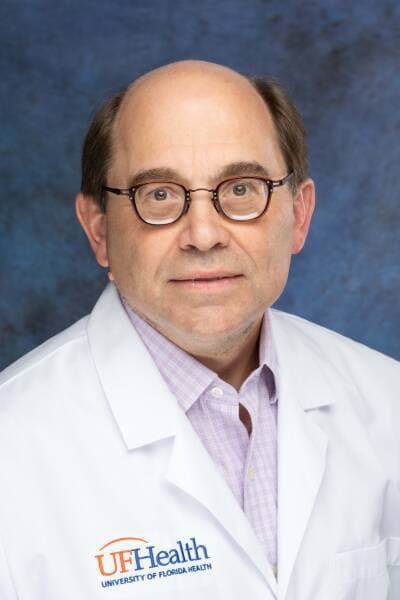
James Wymer, MD
Professor & Division Chief; Melvin Greer Professor, MD-NEUROMUSCULAR NEUROLOGY
UF Health Shands Hospital
View specialist profileJames Wymer is the Melvin Greer Professor and division chief of neuromuscular neurology at the University of Florida in Gainesville, practicing at UF Health Shands Hospital and the Norman Fixel Institute for Neurological Diseases. His clinical and research focus is on peripheral neuropathy, ALS, and the development of better treatments for neuropathic pain and nerve disease.
He was lead author on a randomized controlled trial of lacosamide for diabetic neuropathic pain in the Clinical Journal of Pain, finding that 400 mg per day offered the best balance of effectiveness and tolerability among the doses studied 9. Diabetic neuropathy is the most common peripheral neuropathy in the United States, and that work contributed to the evidence base on sodium channel-targeted pain treatment. More recently, he was the corresponding author on a 2022 study in Molecular Neurodegeneration examining blood-based inflammatory biomarkers in ALS — work that points toward objective measures that could improve how quickly ALS is diagnosed and how drug candidates are evaluated in trials 10. His position as division chief means he oversees one of Florida's dedicated neuromuscular training programs, which correlates with the level of subspecialty depth available to patients.

Miguel Chuquilin, M.D.
Neuromuscular Fellowship Director and Neurology Clerkship Director, University of Florida
Tallahassee Memorial HealthCare
View specialist profileMiguel Chuquilin is the neuromuscular fellowship director and neurology clerkship director at the University of Florida, practicing at both UF Health Shands Hospital and Tallahassee Memorial HealthCare. As the person who trains the next generation of neuromuscular neurologists in this program, he has to stay current across the full range of conditions the subspecialty covers. For patients in the Tallahassee area who need neuromuscular care without traveling to Gainesville or Miami, he is a clinician with a direct academic connection to UF's larger program.
His published work includes a study on IgM autoantibodies in motor neuropathy syndromes, finding that testing for both NS6S heparin disaccharide binding and GM1 ganglioside binding increases detection of relevant autoantibodies from 43 to 64 percent — important for distinguishing treatable immune-mediated motor neuropathies from ALS and from CIDP 11. He also published a case series in Muscle & Nerve on primary amyloidosis presenting as dropped head syndrome, a condition that can be mistaken for other motor disorders and requires muscle biopsy to identify correctly 12. Both papers reflect the kind of careful diagnostic work that characterizes a good neuromuscular specialist.
What a neuromuscular specialist treats
A neuromuscular neurologist handles diseases affecting the motor neurons, peripheral nerves, neuromuscular junctions, and muscles. The most common conditions include:
- Amyotrophic lateral sclerosis (ALS) and other motor neuron diseases
- Myasthenia gravis and Lambert-Eaton myasthenic syndrome
- Peripheral neuropathy, including diabetic neuropathy, Charcot-Marie-Tooth disease, and CIDP
- Muscular dystrophies, including Duchenne, Becker, and myotonic dystrophy
- Inflammatory myopathies, such as polymyositis and dermatomyositis
- Spinal muscular atrophy (SMA)
- Hereditary and acquired neuropathies affecting sensory and motor function
- Neuromuscular complications of systemic diseases (cancer, diabetes, autoimmune conditions)
Questions to ask your neurologist
- Is this a neuromuscular condition, and if so, which one specifically?
- What tests do you need to confirm the diagnosis — nerve conduction study, EMG, genetic testing, muscle biopsy?
- Is there a known cause, and does that affect treatment options?
- Are there FDA-approved treatments for my condition, and do I qualify for any clinical trials?
- How quickly does this condition typically progress, and what should I watch for?
- What specialists should be part of my care team — physical therapy, pulmonology, speech therapy?
- Is genetic counseling appropriate for my family members?
The bottom line
Florida's strongest neuromuscular programs are at the University of Miami (for ALS and myasthenia gravis), UF Gainesville (for inherited muscle and nerve diseases, including pediatric cases), USF Tampa General (for neuropathy and ALS), and Mayo Clinic Florida in Jacksonville (for electrodiagnostic evaluation of complex cases). Tallahassee has access to UF-trained subspecialty care through Dr. Chuquilin. If you have received a neuromuscular diagnosis or are waiting for one, the right move is a referral to one of these programs rather than continuing to be managed by a general neurologist alone. The diagnostic tools and treatment experience available at a dedicated neuromuscular center are not routinely available elsewhere.
Sources
- 1.
- 2.
- 3.Improving genetic diagnosis in Mendelian disease with transcriptome sequencing — Science Translational Medicine, 2017. DOI
- 4.Quantitative objective markers for upper and lower motor neuron dysfunction in ALS — Neurology, 2007. DOI
- 5.Double‐blind randomized trial of tramadol for the treatment of the pain of diabetic neuropathy — Neurology, 1998. DOI
- 6.A Hexanucleotide Repeat Expansion in C9ORF72 Is the Cause of Chromosome 9p21-Linked ALS-FTD — Neuron, 2011. DOI
- 7.
- 8.Amyotrophic lateral sclerosis - frontotemporal spectrum disorder (ALS-FTSD): Revised diagnostic criteria — Amyotrophic Lateral Sclerosis and Frontotemporal Degeneration, 2017. DOI
- 9.Efficacy and Safety of Lacosamide in Diabetic Neuropathic Pain — Clinical Journal of Pain, 2009. DOI
- 10.Blood-based biomarkers of inflammation in amyotrophic lateral sclerosis — Molecular Neurodegeneration, 2022. DOI
- 11.Motor neuropathies and serum IgM binding to NS6S heparin disaccharide or GM1 ganglioside — Journal of Neurology Neurosurgery & Psychiatry, 2010. DOI
- 12.
Related specialist lists
neurology
Best Neurologists in New York
Six of New York's top neurologists — covering migraine, epilepsy, stroke, MS, and brain tumors — selected by peer recognition and published research.
neurology
Top neurologists in California 2026
Six of California's top neurologists — covering stroke, multiple sclerosis, Alzheimer's disease, and epilepsy — selected by published research and peer recognition.
neurology
Top neurologists in Massachusetts
Six of Massachusetts' top neurologists — covering epilepsy, neuromuscular disease, MS, and cerebrovascular disease — selected by published research and peer recognition.