Expert list · Last reviewed April 17, 2026
Gastroenterologists in New York to consider
Research-informed guide to gastroenterologists in New York, drawing on published work from physicians at NYU Langone, NewYork-Presbyterian, and Montefiore.
Loading map…
New York has gastroenterologists whose clinical depth and peer-reviewed research place them among the most experienced in the country for inflammatory bowel disease, liver disease, and advanced endoscopy — here is where to start. If you are looking for gastroenterologists in New York who also shape how the field is practiced, the names in this directory spend their careers on the same conditions you are trying to treat.
The physicians below practice at academic medical centers in and around New York City: NYU Langone, NewYork-Presbyterian (at both Weill Cornell and Columbia), Mount Sinai, and Montefiore. Most lead or direct a clinical program in a subspecialty, whether that is inflammatory bowel disease, liver disease, or esophageal disorders. Each has published research that is cited across the field, which is one way to judge whether a clinician has seen your condition many times and knows what the evidence actually says.

Ellen Scherl, MD
Jill Roberts Professor of Clinical Medicine; Research Director, Jill Roberts Center for Inflammatory Bowel Disease
NewYork-Presbyterian / Weill Cornell Medical Center
View specialist profileDr. Scherl is the Jill Roberts Professor of Clinical Medicine at Weill Cornell and research director of the Jill Roberts Center for Inflammatory Bowel Disease at NewYork-Presbyterian. She focuses on Crohn's disease and ulcerative colitis, including patients whose symptoms have not responded to first-line therapy and those facing decisions about biologic medications or surgery.
She contributed to the first randomized trial of ustekinumab in moderate-to-severe Crohn's disease, an antibody against IL-12/23 that is now a standard biologic option for patients who fail anti-TNF therapy 1. Her group's work on the ileal microbiome in Crohn's disease identified invasive E. coli as enriched in inflamed tissue, pointing to bacterial drivers of inflammation 2. A follow-up study tied IgA-coated E. coli in Crohn's patients to inflammation in the joints as well as the gut, a mechanism relevant to patients who develop Crohn's-associated spondyloarthritis 5. She also contributed to work showing how gut phage populations expand during colitis flares 3 and how specific immune cells in the gut lining produce IL-22 that protects against colitis 4.
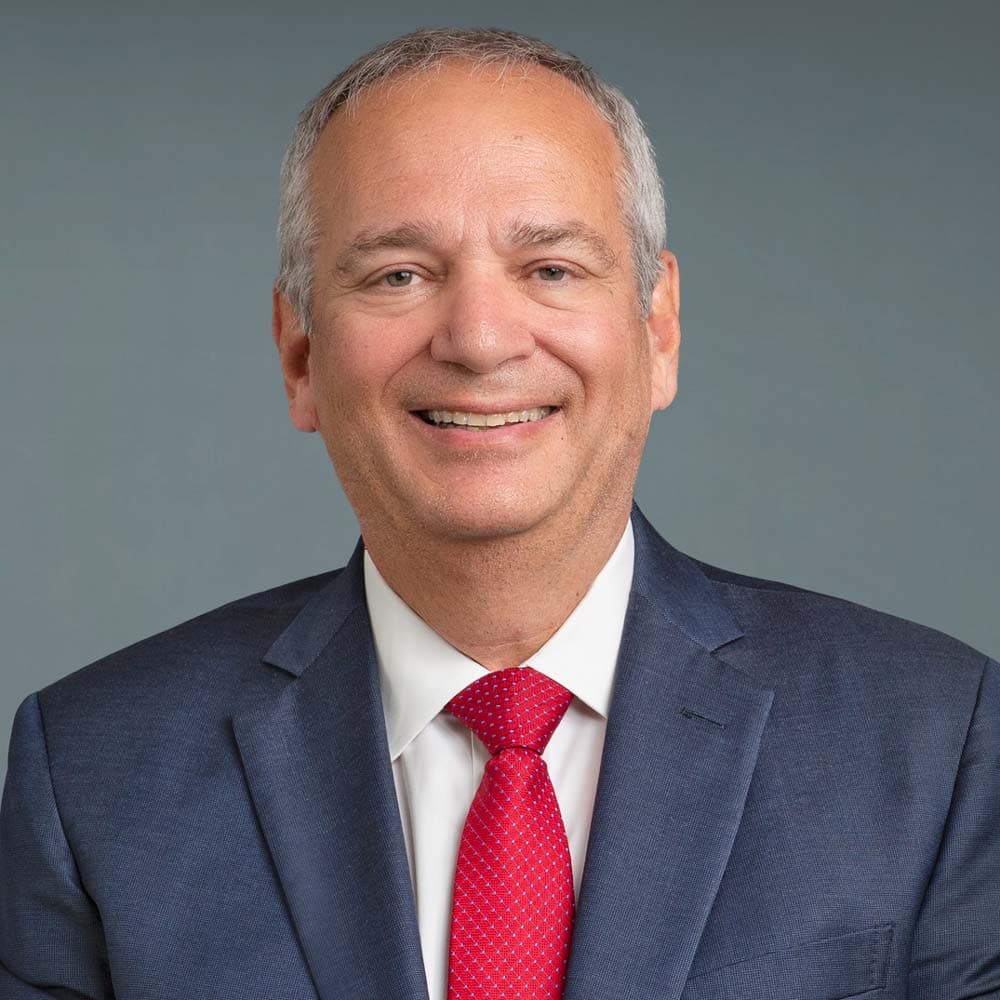
Ira Jacobson, MD
Professor of Medicine, NYU Grossman School of Medicine; Director, Clinical Research Hepatology Program, Division of Gastroenterology and Hepatology
NYU Langone Hospitals
View specialist profileDr. Jacobson is Professor of Medicine at NYU Grossman School of Medicine and directs the clinical research hepatology program at NYU Langone. He sees patients with chronic hepatitis B and C, cirrhosis, and other forms of liver disease, and he has spent decades helping design the trials that turned hepatitis C from a chronic illness into a curable one.
He was first and corresponding author on the QUEST-1 phase 3 trial of simeprevir plus peginterferon and ribavirin in treatment-naive hepatitis C patients, which showed that adding a direct-acting antiviral to the older interferon backbone produced higher cure rates 8. He contributed to the long-term tenofovir follow-up study in The Lancet that documented cirrhosis regression in many patients with chronic hepatitis B on five years of therapy 6, and he co-wrote the U.S. treatment algorithms for chronic hepatitis B that community gastroenterologists rely on to decide when to start antiviral medication 910. His review of thrombocytopenia in chronic liver disease is a reference for clinicians weighing procedures in patients with low platelets 7.
Thomas Ullman, M.D.
Chief of Gastroenterology and Professor of Medicine, Montefiore Medical Center and Albert Einstein College of Medicine; Director, Westchester Branch, Susan and Leonard Feinstein IBD Clinical Center, Mount Sinai
Mount Sinai Hospital
View specialist profileDr. Ullman chairs gastroenterology at Montefiore Medical Center and Albert Einstein College of Medicine, and directs the Westchester branch of the Susan and Leonard Feinstein IBD Clinical Center at Mount Sinai. He practices at Mount Sinai Hospital, Montefiore, and White Plains Hospital. His clinical focus is inflammatory bowel disease and, specifically, the cancer risk that comes with long-standing colitis.
He is first and corresponding author on a Gastroenterology review of intestinal inflammation and cancer, cited more than 1,100 times, that set the framework for how clinicians think about IBD-related colorectal cancer risk 11. His cohort study found that patients with ulcerative colitis whose biopsies continued to show microscopic inflammation had higher rates of progression to colorectal cancer than patients whose mucosa healed on therapy, which is one reason gastroenterologists now aim for deep remission 12. An earlier study showed that low-grade dysplasia in ulcerative colitis progressed to advanced neoplasia more often than previously thought, leading to tighter surveillance recommendations 13. He also contributed to a prospective trial showing that chromoendoscopy detects more dysplasia than standard biopsy during IBD surveillance colonoscopy 14.

Douglas Dieterich, MD
Adjunct Professor, Department of Medicine at NYU Grossman School of Medicine
NYU Langone Hospitals
View specialist profileDr. Dieterich is an adjunct professor in the Department of Medicine at NYU Grossman School of Medicine and practices at NYU Langone Hospitals. He is a hepatologist whose clinical and research focus has been viral hepatitis, liver complications of HIV, and drug-induced liver injury.
He was senior author on the APRICOT trial published in the New England Journal of Medicine, which showed that peginterferon alfa-2a plus ribavirin produced higher sustained virologic response than older regimens in patients with both HIV and hepatitis C, setting the standard for co-infection care at the time 16. He has contributed to long-term follow-up showing that a sustained virologic response after hepatitis C therapy is durable 17 and to a review of direct-acting antivirals that traced the shift to today's interferon-free cure regimens 19. His work on drug-induced liver injury associated with non-nucleoside reverse transcriptase inhibitors guided safer HIV prescribing in patients with underlying hepatitis 18. An earlier case series described cytomegalovirus colitis in patients with AIDS, a condition that gastroenterologists still see in immunosuppressed patients today 20.
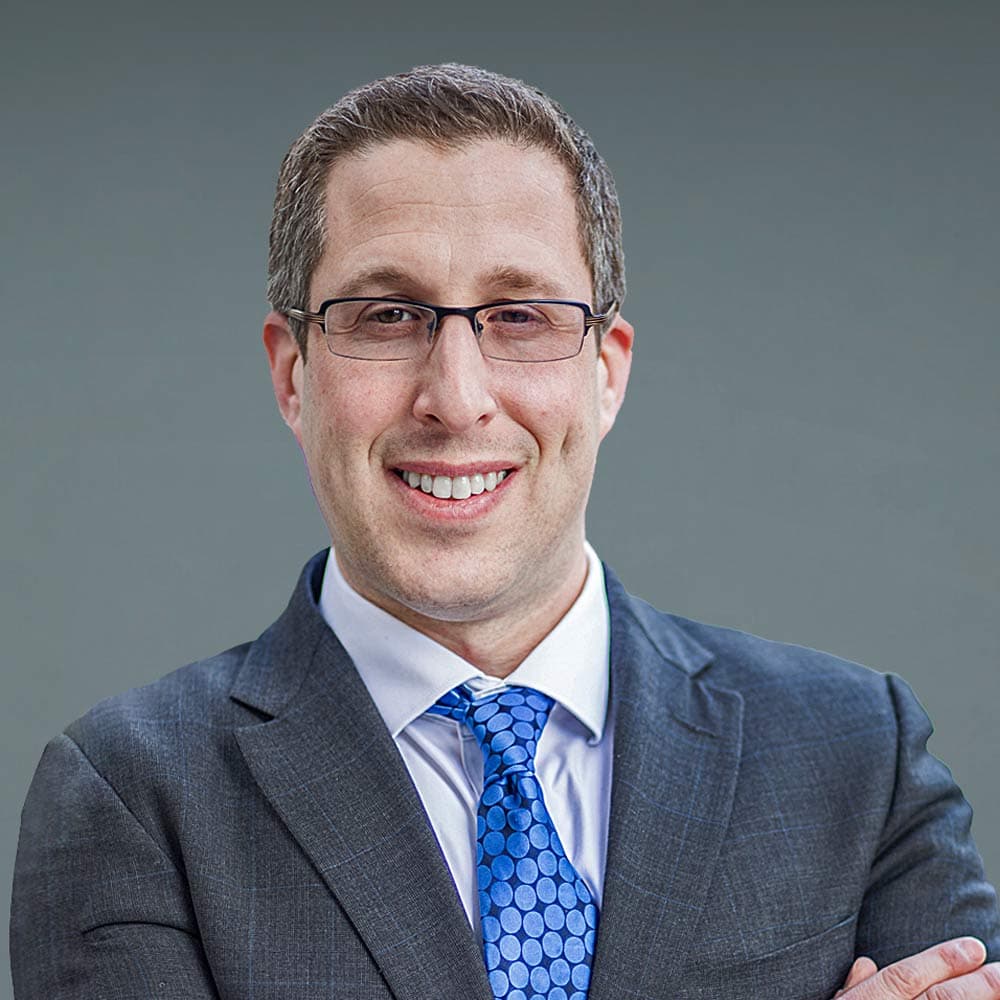
Seth Gross, M.D.
Professor, Department of Medicine at NYU Grossman School of Medicine; Clinical Chief, Division of Gastroenterology & Hepatology
NYU Langone Hospitals
View specialist profileDr. Gross is Professor of Medicine at NYU Grossman School of Medicine and clinical chief of the Division of Gastroenterology and Hepatology at NYU Langone Hospitals. His clinical focus is advanced endoscopy, including screening colonoscopy, Barrett's esophagus surveillance, and endoscopic ultrasound.
He was senior and corresponding author on a widely read overview of artificial intelligence in medicine published in Gastrointestinal Endoscopy 21 and led the CADeT-CS trial, a multicenter randomized study that showed deep learning polyp detection during colonoscopy reduced the adenoma miss rate compared with standard high-definition colonoscopy 22. Other work he contributed to includes a head-to-head trial of high-definition colonoscopy, Endocuff, EndoRings, and full-spectrum endoscopy for detecting adenomas 24, a meta-analysis of Barrett's esophagus prevalence and risk factors 23, and a prospective study on the safety of endoscopic ultrasound-guided fine-needle aspiration 25. For patients weighing their options for a screening colonoscopy or a surveillance program for Barrett's esophagus, this is relevant clinical experience.
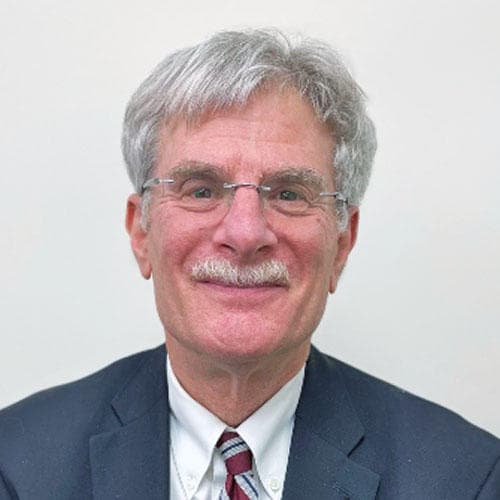
David Katzka, MD
Professor of Medicine; Leader, Esophagology and Swallowing Center
NewYork-Presbyterian/Columbia University Irving Medical Center
View specialist profileDr. Katzka is Professor of Medicine at Columbia and leads the Esophagology and Swallowing Center at NewYork-Presbyterian/Columbia University Irving Medical Center. He sees patients with eosinophilic esophagitis, achalasia, gastroesophageal reflux, and other swallowing disorders.
He is senior author on a New England Journal of Medicine review that set the current framework for diagnosing and treating eosinophilic esophagitis in adults and children 26, and on an earlier study showing that eosinophilic esophagitis is more common across age groups in the United States than previously recognized 27. He also led a Gastroenterology update on achalasia that walked clinicians through the diagnostic steps and the trade-offs between pneumatic dilation, laparoscopic myotomy, and per-oral endoscopic myotomy 30. He is senior author on the American Gastroenterological Association clinical practice update on diagnosing and monitoring celiac disease 28 and contributed to work on videofluoroscopic studies of swallowing and pneumonia risk 29.
What to look for in a gastroenterologist
- Board certification in gastroenterology by the American Board of Internal Medicine
- An academic affiliation with a teaching hospital, especially if your condition is complex or rare
- Subspecialty focus that matches your diagnosis: inflammatory bowel disease, liver disease, esophageal disorders, pancreas and biliary, or motility
- Adenoma detection rate (for screening colonoscopy) above the 30 percent benchmark if you are seeing them for a screening exam
- Whether they are accepting new patients and the typical wait time for a first visit
- Whether your insurance is accepted and whether the hospital is in-network
Questions to ask before your first appointment
- How many patients with my condition do you treat each year?
- What diagnostic tests do you want to do before we talk about treatment, and which ones can be done at my primary care office?
- What are the treatment options at my stage, and what are the trade-offs between starting sooner versus waiting?
- If I need an endoscopy or colonoscopy, will you perform it yourself or will another gastroenterologist in the group?
- Are there clinical trials here that I might qualify for?
- How do you coordinate with my primary care doctor, surgeon, or other specialists?
- What is the best way to reach you or your team between visits if something changes?
The bottom line
If you are searching for gastroenterologists in New York, the fastest path to good care is matching your condition to a specialist who sees it often. The physicians in this directory practice at academic centers with high volume for inflammatory bowel disease, liver disease, and advanced endoscopy, and their published research is part of the evidence base other gastroenterologists follow. Ask your primary care doctor for a referral, or call one of these programs directly to find out whether they are accepting new patients.
Sources
- 1.A Randomized Trial of Ustekinumab, a Human Interleukin-12/23 Monoclonal Antibody, in Patients With Moderate-to-Severe Crohn's Disease — Gastroenterology, 2008. DOI
- 2.Culture independent analysis of ileal mucosa reveals a selective increase in invasive <i>Escherichia coli</i> of novel phylogeny relative to depletion of Clostridiales in Crohn's disease involving the ileum — The ISME Journal, 2007. DOI
- 3.Expansion of Bacteriophages Is Linked to Aggravated Intestinal Inflammation and Colitis — Cell Host & Microbe, 2019. DOI
- 4.CX3CR1+ mononuclear phagocytes support colitis-associated innate lymphoid cell production of IL-22 — The Journal of Experimental Medicine, 2014. DOI
- 5.IgA-coated <i>E. coli</i> enriched in Crohn’s disease spondyloarthritis promote T <sub>H</sub> 17-dependent inflammation — Science Translational Medicine, 2017. DOI
- 6.Regression of cirrhosis during treatment with tenofovir disoproxil fumarate for chronic hepatitis B: a 5-year open-label follow-up study — The Lancet, 2012. DOI
- 7.
- 8.Simeprevir with pegylated interferon alfa 2a plus ribavirin in treatment-naive patients with chronic hepatitis C virus genotype 1 infection (QUEST-1): a phase 3, randomised, double-blind, placebo-controlled trial — The Lancet, 2014. DOI
- 9.A Treatment Algorithm for the Management of Chronic Hepatitis B Virus Infection in the United States: An Update — Clinical Gastroenterology and Hepatology, 2006. DOI
- 10.A treatment algorithm for the management of chronic hepatitis B virus infection in the United States — Clinical Gastroenterology and Hepatology, 2004. DOI
- 11.
- 12.Histologic Inflammation Is a Risk Factor for Progression to Colorectal Neoplasia in Ulcerative Colitis: A Cohort Study — Gastroenterology, 2007. DOI
- 13.Progression of flat low-grade dysplasia to advanced neoplasia in patients with ulcerative colitis — Gastroenterology, 2003. DOI
- 14.Chromoendoscopy-Targeted Biopsies Are Superior to Standard Colonoscopic Surveillance for Detecting Dysplasia in Inflammatory Bowel Disease Patients: A Prospective Endoscopic Trial — The American Journal of Gastroenterology, 2008. DOI
- 15.Efficacy of Immunosuppressive Therapy for Inflammatory Bowel Disease: A Systematic Review and Meta-Analysis — The American Journal of Gastroenterology, 2011. DOI
- 16.Peginterferon Alfa-2a plus Ribavirin for Chronic Hepatitis C Virus Infection in HIV-Infected Patients — New England Journal of Medicine, 2004. DOI
- 17.A Sustained Virologic Response Is Durable in Patients With Chronic Hepatitis C Treated With Peginterferon Alfa-2a and Ribavirin — Gastroenterology, 2010. DOI
- 18.Drug-Induced Liver Injury Associated with the Use of Nonnucleoside Reverse-Transcriptase Inhibitors — Clinical Infectious Diseases, 2004. DOI
- 19.Treating hepatitis C: current standard of care and emerging direct‐acting antiviral agents — Journal of Viral Hepatitis, 2012. DOI
- 20.Cytomegalovirus colitis in AIDS: presentation in 44 patients and a review of the literature. — PubMed, 1991.
- 21.
- 22.Deep Learning Computer-aided Polyp Detection Reduces Adenoma Miss Rate: A United States Multi-center Randomized Tandem Colonoscopy Study (CADeT-CS Trial) — Clinical Gastroenterology and Hepatology, 2021. DOI
- 23.Systematic review and meta-analysis of prevalence and risk factors for Barrett’s esophagus — Gastrointestinal Endoscopy, 2019. DOI
- 24.High-definition colonoscopy versus Endocuff versus EndoRings versus full-spectrum endoscopy for adenoma detection at colonoscopy: a multicenter randomized trial — Gastrointestinal Endoscopy, 2018. DOI
- 25.The safety of fine-needle aspiration guided by endoscopic ultrasound: a prospective study — Endoscopy, 2007. DOI
- 26.
- 27.Eosinophilic Esophagitis: A Prevalent Disease in the United States That Affects All Age Groups — Gastroenterology, 2008. DOI
- 28.AGA Clinical Practice Update on Diagnosis and Monitoring of Celiac Disease—Changing Utility of Serology and Histologic Measures: Expert Review — Gastroenterology, 2018. DOI
- 29.Videofluoroscopic Studies of Swallowing Dysfunction and the Relative Risk of Pneumonia — American Journal of Roentgenology, 2003. DOI
- 30.
Related specialist lists
gastroenterology
Top gastroenterologists in Minnesota
Six of Minnesota's top gastroenterologists — covering IBD, motility, hepatology, fatty liver disease, and advanced endoscopy — by published research.
gastroenterology
Best Gastroenterologists for ERCP and Biliary Endoscopy in Kansas
Kansas gastroenterologists who specialize in ERCP and biliary endoscopy, with deep experience in bile duct stones, strictures, and pancreatic disease.
gastroenterology
Best Gastroenterologists for GI Motility Disorders in NY
Top New York gastroenterologists for GI motility disorders, with clinical focus, hospital affiliations, and published research to guide your search.