Expert list · Last reviewed April 13, 2026
Top neurologists in California 2026
Six of California's top neurologists — covering stroke, multiple sclerosis, Alzheimer's disease, and epilepsy — selected by published research and peer recognition.
Loading map…
California has six neurologists whose published research has directly changed how stroke, multiple sclerosis, Alzheimer's disease, and epilepsy are treated, and all six see patients at academic medical centers in the state. If you are searching for a neurologist in California, this page gives you a grounded starting point: who these specialists are, what they focus on clinically, and why their work matters to patients in those specific situations. No paid placements, no scores.
California's academic neurology programs at UCLA, UCSF, and Stanford are among the most research-active in the country. For patients, that matters most when access to a physician running trials means access to a treatment that does not yet exist elsewhere. Each neurologist here was identified based on peer-reviewed research output, institutional appointment, and publicly documented clinical focus.
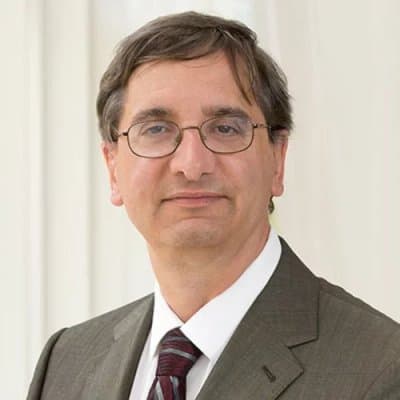
Jeffrey Saver, MD
Distinguished Professor and SA Vice Chair for Clinical Research, Carol and James Collins Chair, Department of Neurology; Director, UCLA Comprehensive Stroke and Vascular Neurology Program
Ronald Reagan UCLA Medical Center, Los Angeles
View specialist profileJeffrey Saver, MD, is Distinguished Professor and Director of the UCLA Comprehensive Stroke and Vascular Neurology Program at Ronald Reagan UCLA Medical Center in Los Angeles, where he holds the Carol and James Collins Chair in the Department of Neurology. His clinical practice is built entirely around ischemic stroke: preventing it, treating it in the acute window, and limiting the neurological damage it causes.
His 2005 paper "Time Is Brain—Quantified" put a specific number to something stroke specialists had said for years: every minute an ischemic stroke goes untreated, the brain loses roughly 1.9 million neurons 1. That calculation became the scientific basis for the speed-based protocols now used in every certified stroke center. He also led the RESPECT trial, which followed patients with cryptogenic stroke and a patent foramen ovale (a small hole in the heart present from birth) and found that surgically closing the PFO was associated with fewer recurrent strokes than medication alone over extended follow-up 2. If you have had a stroke with no clear cause and been told you have a PFO, that finding is directly relevant to your treatment conversation.
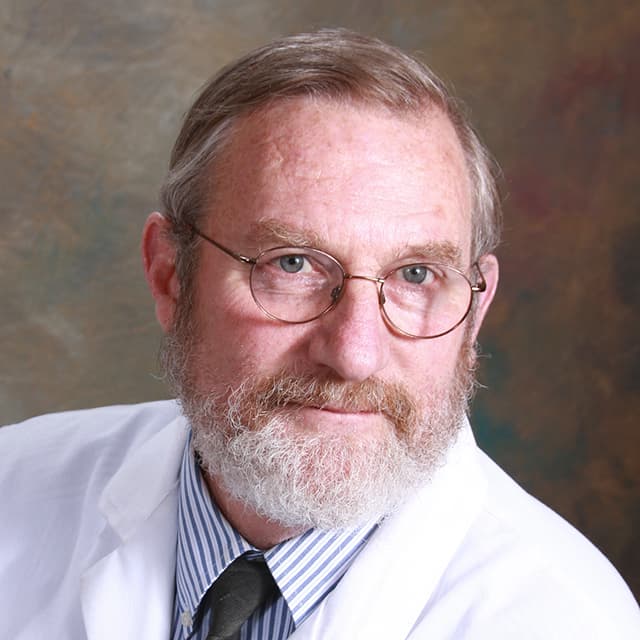
Douglas Goodin, MD
Professor in Residence, Neurology
UCSF Medical Center, San Francisco
View specialist profileDouglas Goodin, MD, is Professor in Residence of Neurology at UCSF Medical Center in San Francisco. His career has focused on multiple sclerosis: its natural history, MRI-based diagnosis, and the evidence base for disease-modifying therapies.
Dr. Goodin co-authored the American Academy of Neurology's foundational MS disease-modifying therapy guidelines, which organized the clinical evidence on interferons, glatiramer acetate, and other treatments into the framework neurologists still use 4. He contributed to the FREEDOMS II trial, a phase 3 placebo-controlled study of fingolimod in relapsing-remitting MS that established the drug's efficacy across clinical and imaging endpoints 3. His 2008 Neurology paper on incidental MRI findings is also widely cited: it showed that patients with white matter lesions "highly suggestive" of demyelination face a meaningful risk of later developing clinically definite MS, which matters practically for patients who have been told their MRI result is ambiguous 5.
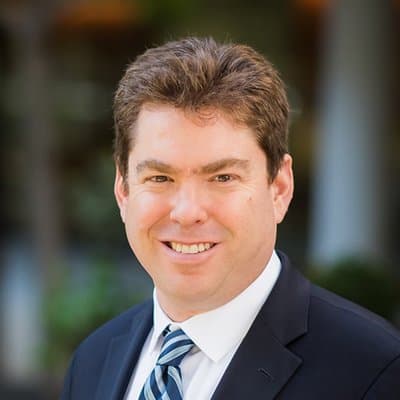
Gil Rabinovici, MD
Professor of Neurology, Edward and Pearl Fein Distinguished Professor in Memory and Aging (UCSF)
UCSF Medical Center, San Francisco
View specialist profileGil Rabinovici, MD, is Professor of Neurology and the Edward and Pearl Fein Distinguished Professor in Memory and Aging at UCSF Medical Center in San Francisco. His clinical work covers Alzheimer's disease, frontotemporal dementia, and the neuroimaging tools used to tell them apart, particularly amyloid PET and tau PET scans.
Dr. Rabinovici led the IDEAS study, a large Medicare-funded trial that asked a specific practical question: does amyloid PET scanning actually change how dementia patients are managed? The 2019 JAMA paper from that study found that for Medicare patients with mild cognitive impairment or uncertain dementia, amyloid PET changed the diagnosis or treatment plan in more than 60 percent of cases 6. That result contributed directly to Medicare's decision to expand coverage for amyloid PET. His 2021 Nature Medicine paper identified four distinct patterns of tau buildup across 1,612 Alzheimer's patients, each correlating with a different clinical presentation and rate of decline 7. The finding challenged the assumption that Alzheimer's follows a single predictable course. For families trying to understand why two people with the same diagnosis look so different from each other, this research is part of the answer.
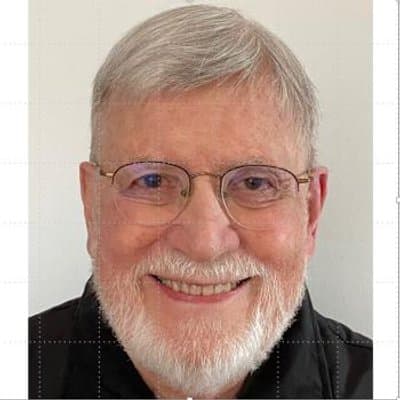
Kimford Meador, MD
Professor of Neurology and Neurological Sciences, Clinical Director, Stanford Comprehensive Epilepsy Center
Stanford Health Care, Stanford
View specialist profileKimford Meador, MD, is Professor of Neurology and Neurological Sciences and Clinical Director of the Stanford Comprehensive Epilepsy Center at Stanford Health Care. His clinical focus covers epilepsy broadly, but he has done some of his most consequential work on two populations that are often underserved in epilepsy research: people with epilepsy and depression, and women with epilepsy who are pregnant or considering pregnancy.
Dr. Meador's 2006 Lancet Neurology multicenter study developed and validated the Neurological Disorders Depression Inventory for Epilepsy (NDDI-E), a brief screening tool that detects major depression in epilepsy patients in about three minutes 8. Depression affects roughly a third of people with epilepsy and is frequently missed in busy neurology clinics; the NDDI-E was designed to close that gap. For women with epilepsy, his systematic review and meta-analysis of pregnancy outcomes across published registries remains a primary reference for counseling patients about medication risks during pregnancy, including which anti-seizure drugs carry the highest teratogenic risk 9. If you are a woman with epilepsy who is pregnant or planning to become pregnant, that body of work is part of why current guidance exists.
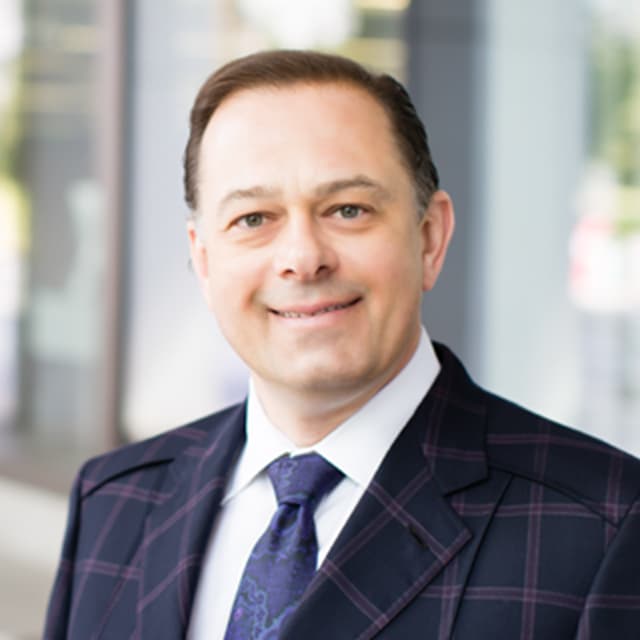
Bruce Cree, M.D.
Professor of Clinical Neurology; George A. Zimmermann Endowed Professor in Multiple Sclerosis; Clinical Research Director, UCSF Multiple Sclerosis Center
UCSF Medical Center, San Francisco
View specialist profileBruce Cree, M.D., is Professor of Clinical Neurology and George A. Zimmermann Endowed Professor in Multiple Sclerosis at UCSF Medical Center, where he is also Clinical Research Director of the UCSF Multiple Sclerosis Center. His research spans MS immunology, microbiome connections to MS, and newer therapies for neuromyelitis optica spectrum disorder.
Before rituximab was widely used in MS-related conditions, Dr. Cree ran one of the earliest open-label trials in neuromyelitis optica (NMO), an autoimmune condition frequently misdiagnosed as MS. His 2005 paper in Neurology reported that six of eight NMO patients treated with rituximab were relapse-free at follow-up, with median attack rates dropping from 2.6 per year to zero. That result helped establish B-cell depletion as the standard approach for NMO 10. More recently he led the ReBUILD trial, published in The Lancet, which tested clemastine fumarate (an old antihistamine) as a remyelinating agent in MS patients with chronic optic nerve damage. The trial found meaningful improvement in visual nerve conduction speed, making it the first positive remyelination trial ever completed in MS 11. For patients who are already on immunosuppressive therapy but still losing neurological function, the goal of actual repair is what that research is working toward.
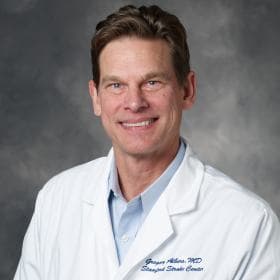
Gregory Albers, MD
Coyote Foundation Professor and Professor - University Medical Line, Neurology & Neurological Sciences; Professor - University Medical Line (By courtesy), Neurosurgery; Director, Stanford Stroke Center
Stanford Health Care, Stanford
View specialist profileGregory Albers, MD, is Coyote Foundation Professor and Director of the Stanford Stroke Center at Stanford Health Care, where he also holds a courtesy appointment in neurosurgery. His research has concentrated on a single question: how long after stroke onset can patients still benefit from treatment, and who can we prove it for?
Dr. Albers led the SWIFT PRIME trial, published in the New England Journal of Medicine in 2015, which showed that adding mechanical thrombectomy (physically removing a clot with a stent-retriever device) to standard tPA treatment dramatically improved functional outcomes at 90 days compared with tPA alone 13. That trial was one of five published within months of each other that rewrote the standard of care for large-vessel ischemic stroke. He then led the DEFUSE 3 trial, which extended thrombectomy eligibility out to 6 to 16 hours after a patient was last known to be well, using perfusion imaging to identify brain tissue that was ischemic but not yet dead 14. That matters because a significant number of stroke patients wake up having had the stroke overnight, or arrive at a hospital many hours after onset. DEFUSE 3 showed those patients could still benefit from clot removal. If you or someone in your family has had a large-vessel stroke, Dr. Albers' practice at the Stanford Stroke Center covers the acute decisions and the imaging-guided selection protocols that his trials helped put into practice.
What to look for in a California neurologist
- Match the subspecialty to your diagnosis. These neurologists are subspecialists; their practices are built around one condition or a narrow cluster. A general neurologist is the right starting point for an initial evaluation, but once you have a working diagnosis, ask whether a stroke specialist, MS specialist, epileptologist, or memory disorders clinic makes sense for your situation.
- Board certification tells you about training, not outcomes. The American Board of Psychiatry and Neurology certifies in general neurology and subspecialties including vascular neurology, epilepsy, and clinical neurophysiology. Certification is a baseline; fellowship training in your specific diagnosis is the next thing to ask about.
- Academic affiliation matters most for complex or treatment-resistant cases. At UCLA, UCSF, or Stanford, your neurologist has direct access to neurosurgery, neuroradiology, and neuropsychology. For epilepsy surgery evaluations, MS infusion programs, or stroke workups requiring specialized imaging, that coordination is part of what you are getting.
- Ask about clinical trials. The specialists here run active trials. For conditions where first-line options are limited, including progressive MS, refractory epilepsy, and early Alzheimer's, trial access can mean treatment access that does not yet exist in other settings.
- Geography in California is real. Los Angeles, the Bay Area, and the Stanford corridor each have different concentrations of subspecialists. If you are not near a major academic center, ask whether a one-time consultation or telemedicine follow-up is available.
Questions to ask before your first appointment
- What is the specific diagnosis, and what would change it?
- Is there a subspecialist in this exact condition I should see, or is general neurology the right level of care?
- What are the treatment options and how were they ranked — by efficacy, side effect profile, or convenience?
- Is there a clinical trial at this institution that I should know about for my diagnosis?
- What imaging or testing is needed, and how long will results take?
- Who do I contact if my symptoms change before my next scheduled visit?
The bottom line
California's strongest neurology programs are at UCLA, UCSF, and Stanford. The specialists profiled here see patients at those institutions, run active trials, and publish research that shapes how these conditions are treated nationally. If you are dealing with a stroke, an MS diagnosis, memory concerns, or seizures that have not responded to initial treatment, getting to one of those academic centers (or at least getting a consultation there) is worth the effort. A community neurologist can manage many neurological conditions well. What these specialists add is the full diagnostic infrastructure, trial access, and subspecialty depth that a general practice cannot replicate.
Sources
- 1.
- 2.Long-Term Outcomes of Patent Foramen Ovale Closure or Medical Therapy after Stroke — New England Journal of Medicine, 2017. DOI
- 3.
- 4.Safety and efficacy of fingolimod in patients with relapsing-remitting multiple sclerosis (FREEDOMS II): a double-blind, randomised, placebo-controlled, phase 3 trial — The Lancet Neurology, 2014. DOI
- 5.Disease modifying therapies in multiple sclerosis: Subcommittee of the American Academy of Neurology and the MS Council for Clinical Practice Guidelines [RETIRED] — Neurology, 2002. DOI
- 6.
- 7.Association of Amyloid Positron Emission Tomography With Subsequent Change in Clinical Management Among Medicare Beneficiaries With Mild Cognitive Impairment or Dementia — JAMA, 2019. DOI
- 8.Four distinct trajectories of tau deposition identified in Alzheimer’s disease — Nature Medicine, 2021. DOI
- 9.Highly accurate blood test for Alzheimer’s disease is similar or superior to clinical cerebrospinal fluid tests — Nature Medicine, 2024. DOI
- 10.Rapid detection of major depression in epilepsy: a multicentre study — The Lancet Neurology, 2006. DOI
- 11.Pregnancy outcomes in women with epilepsy: A systematic review and meta-analysis of published pregnancy registries and cohorts — Epilepsy Research, 2008. DOI
- 12.Clemastine fumarate as a remyelinating therapy for multiple sclerosis (ReBUILD): a randomised, controlled, double-blind, crossover trial — The Lancet, 2017. DOI
- 13.
- 14.
- 15.Stent-Retriever Thrombectomy after Intravenous t-PA vs. t-PA Alone in Stroke — New England Journal of Medicine, 2015. DOI
- 16.Thrombectomy for Stroke at 6 to 16 Hours with Selection by Perfusion Imaging — New England Journal of Medicine, 2018. DOI
Related specialist lists
neurology
Best Neurologists in New York
Six of New York's top neurologists — covering migraine, epilepsy, stroke, MS, and brain tumors — selected by peer recognition and published research.
neurology
Top neurologists in Massachusetts
Six of Massachusetts' top neurologists — covering epilepsy, neuromuscular disease, MS, and cerebrovascular disease — selected by published research and peer recognition.
neurology
Best Neurologists in Ohio
Five of Ohio's top neurologists — covering epilepsy, multiple sclerosis, cognitive disorders, and sleep neurology — selected by research output and peer recognition.