Expert list · Last reviewed April 17, 2026
Cardiologists Near Me: New York Specialists to Know
Find New York cardiologists with deep expertise in valve disease, interventional procedures, heart rhythm care, and prevention research.
Loading map…
If you are searching for cardiologists near me in New York, the city has a small group of specialists whose research and case volume put them among the country's most respected heart doctors. Here is where to start.
The cardiologists below are based at Mount Sinai, NewYork-Presbyterian/Columbia, and NYU Langone. Each one anchors a specific area of heart care, whether that is replacing a diseased aortic valve through a catheter, clearing hardened coronary arteries, controlling an abnormal heart rhythm, or preventing a second heart attack. Their names show up repeatedly on national guideline panels and in major clinical trials that changed how heart disease is treated.

Martin Leon, M.D.
Professor of Medicine at Columbia University Irving Medical Center; Director, Cardiovascular Data Science Center for the Division of Cardiology
NewYork-Presbyterian Hospital
View specialist profileDr. Leon leads cardiovascular research at NewYork-Presbyterian/Columbia University Irving Medical Center. He specializes in structural heart disease, particularly severe aortic stenosis, which is a stiffening of the main valve that lets blood leave the heart. His team treats patients who need new valves placed through a small catheter instead of open-heart surgery, an approach called TAVR. His PARTNER trials 123 helped make TAVR a mainstream option for patients across every level of surgical risk.

Deepak Bhatt, MD
Director of the Mount Sinai Fuster Heart Hospital; Dr. Valentin Fuster Professor of Cardiovascular Medicine (with Tenure), Icahn School of Medicine at Mount Sinai
Mount Sinai Hospital
View specialist profileDr. Bhatt directs the Mount Sinai Fuster Heart Hospital. His practice focuses on coronary artery disease, heart attack prevention, and the care of patients whose diabetes raises their heart risk. He is one of the most cited cardiologists in the world and has led or contributed to trials on cholesterol drugs, diabetes medicines, and triglyceride lowering 6910 that are now reflected in national prevention guidelines.
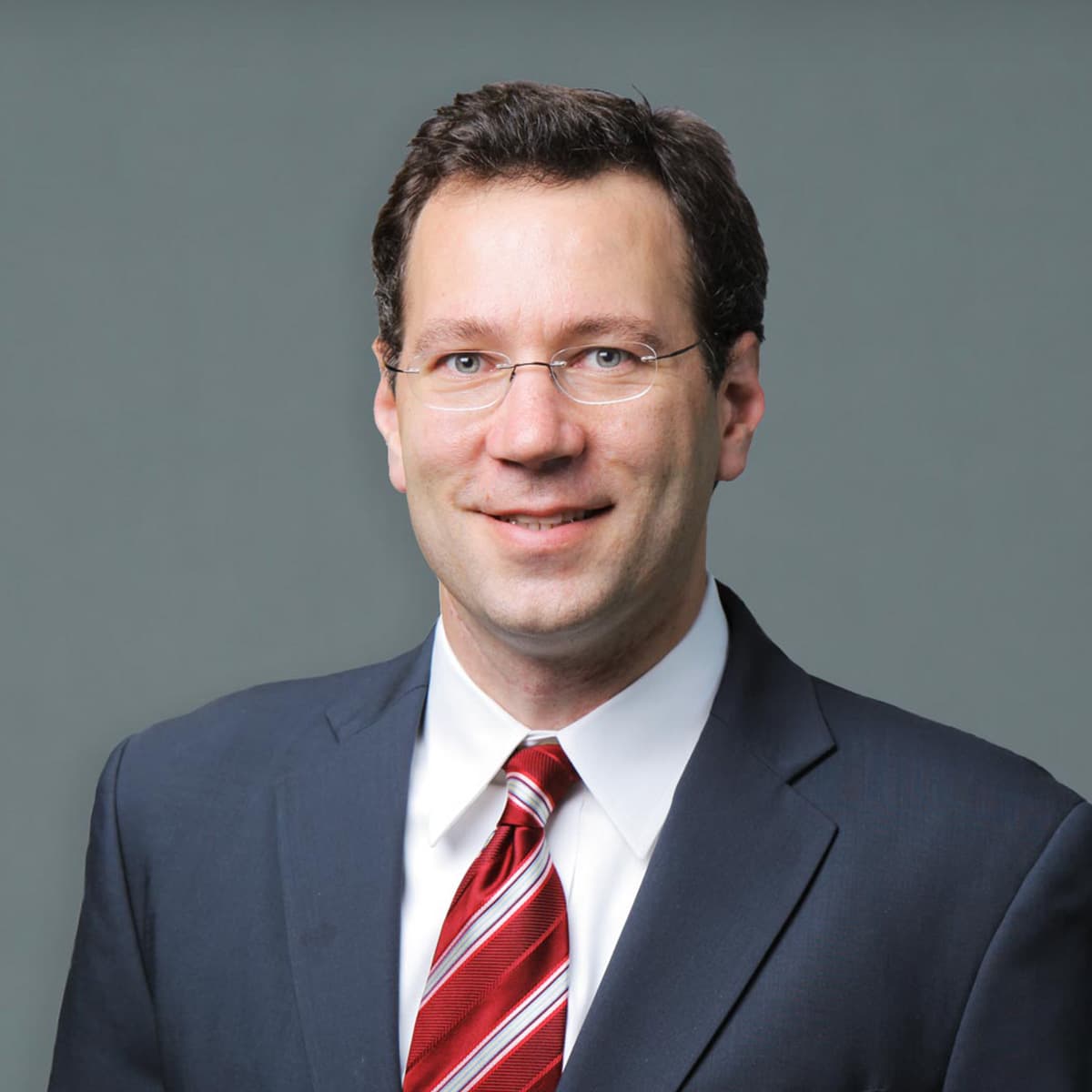
Anthony Aizer, M.D.
Associate Professor, Department of Medicine at NYU Grossman School of Medicine
NYC Health + Hospitals/Bellevue
View specialist profileDr. Aizer is an electrophysiologist at NYU Langone and Bellevue who focuses on abnormal heart rhythms, especially atrial fibrillation. He evaluates patients for catheter ablation, pacemakers, and defibrillators, and he has a particular interest in how lifestyle factors such as exercise intensity 11 and sleep apnea 15 affect rhythm control. During the early pandemic he helped document how certain COVID-19 treatments dangerously prolonged the heart's electrical cycle 1213.

Samin Sharma, M.D.
Professor of Medicine, Icahn School of Medicine at Mount Sinai; Director, S.P. and Seema Lohia Cardiovascular Clinical Institute; Director of Interventional Cardiology, Mount Sinai Health System
Mount Sinai Hospital
View specialist profileDr. Sharma directs interventional cardiology at Mount Sinai Health System, where he performs one of the highest procedure volumes in the country. He treats complex coronary artery disease, including arteries so calcified that standard stents will not open them. He is a lead author on both the European and North American expert consensus papers on rotational atherectomy 1620, the technique used to break up hardened plaque before stenting.

Dr. Markowitz is a heart rhythm specialist at NewYork-Presbyterian. He treats patients with ventricular tachycardia, which is a fast, sometimes dangerous rhythm that starts in the lower chambers of the heart. His foundational papers on idiopathic left ventricular and right ventricular outflow tract tachycardia 212325 helped define how these rhythms are diagnosed and which respond best to ablation versus medication.

Ajay Kirtane, M.D., S.M.
Director, Columbia Interventional Cardiovascular Care; Chief Academic Officer, Division of Cardiology; Professor of Medicine at Columbia University Irving Medical Center
NewYork-Presbyterian/Columbia University Irving Medical Center
View specialist profileDr. Kirtane runs Columbia's interventional cardiovascular care program and treats patients with severe coronary artery disease, including those who need stents, angioplasty, or valve replacement. He has helped write the standardized safety definitions 2830 that clinical trials now use to compare stents and TAVR devices, which means his work shapes how every interventional cardiologist measures good and bad outcomes.
What to look for in a cardiology specialist
- Board certification in cardiovascular disease, with additional certification in interventional cardiology or electrophysiology if your condition calls for it
- Affiliation with a teaching hospital that performs a high volume of the procedure you may need
- Subspecialty focus matching your condition (valve disease, coronary disease, heart rhythm, heart failure, or prevention)
- Wait time for a new-patient appointment and whether urgent slots are available
- Acceptance of your insurance plan, including any hospital-based facility fees
Questions to ask before your first appointment
- How many patients with my condition do you treat each year?
- If I need a procedure, how many of those do you personally perform per year?
- Will you coordinate with my primary care doctor and any other specialists I see?
- What tests will you want before we decide on treatment, and which can be done at my local hospital?
- If surgery or a catheter procedure is recommended, who will actually perform it?
- What are the realistic risks and benefits for someone with my age and health history?
The bottom line
If you have a serious or complex heart problem, starting with a cardiologist whose practice focuses on your exact condition is more important than picking the closest office. Ask your primary care doctor for a direct referral to one of these teams, confirm the specialist treats your specific diagnosis, and bring prior test results to the first visit so the new team can build on what is already known.
Sources
- 1.Transcatheter Aortic-Valve Implantation for Aortic Stenosis in Patients Who Cannot Undergo Surgery — New England Journal of Medicine, 2010. DOI
- 2.Transcatheter versus Surgical Aortic-Valve Replacement in High-Risk Patients — New England Journal of Medicine, 2011. DOI
- 3.Transcatheter Aortic-Valve Replacement with a Balloon-Expandable Valve in Low-Risk Patients — New England Journal of Medicine, 2019. DOI
- 4.A Randomized Comparison of Coronary-Stent Placement and Balloon Angioplasty in the Treatment of Coronary Artery Disease — New England Journal of Medicine, 1994. DOI
- 5.Percutaneous Transcatheter Implantation of an Aortic Valve Prosthesis for Calcific Aortic Stenosis — Circulation, 2002. DOI
- 6.Dapagliflozin and Cardiovascular Outcomes in Type 2 Diabetes — New England Journal of Medicine, 2018. DOI
- 7.
- 8.Saxagliptin and Cardiovascular Outcomes in Patients with Type 2 Diabetes Mellitus — New England Journal of Medicine, 2013. DOI
- 9.Alirocumab and Cardiovascular Outcomes after Acute Coronary Syndrome — New England Journal of Medicine, 2018. DOI
- 10.Cardiovascular Risk Reduction with Icosapent Ethyl for Hypertriglyceridemia — New England Journal of Medicine, 2018. DOI
- 11.Relation of Vigorous Exercise to Risk of Atrial Fibrillation — The American Journal of Cardiology, 2009. DOI
- 12.The QT interval in patients with COVID-19 treated with hydroxychloroquine and azithromycin — Nature Medicine, 2020. DOI
- 13.QT interval prolongation and torsade de pointes in patients with COVID-19 treated with hydroxychloroquine/azithromycin — Heart Rhythm, 2020. DOI
- 14.Mupirocin Prophylaxis to Prevent Staphylococcus aureus Infection in Patients Undergoing Dialysis: A Meta-analysis — Clinical Infectious Diseases, 2003. DOI
- 15.Effect of Obstructive Sleep Apnea Treatment on Atrial Fibrillation Recurrence — JACC. Clinical electrophysiology, 2015. DOI
- 16.
- 17.
- 18.Coronary Angiography and Percutaneous Coronary Intervention After Transcatheter Aortic Valve Replacement — Journal of the American College of Cardiology, 2018. DOI
- 19.Myocardial Bridging: Diagnosis, Functional Assessment, and Management — Journal of the American College of Cardiology, 2021. DOI
- 20.North American Expert Review of Rotational Atherectomy — Circulation Cardiovascular Interventions, 2019. DOI
- 21.Mechanisms of Idiopathic Left Ventricular Tachycardia — Journal of Cardiovascular Electrophysiology, 1997. DOI
- 22.Postoperative Prophylactic Administration of β-Adrenergic Blockers in Patients at Risk for Myocardial Ischemia — Anesthesia & Analgesia, 2000. DOI
- 23.
- 24.Do atrial tachyarrhythmias beget ventricular tachyarrhythmias in defibrillator recipients? — Journal of the American College of Cardiology, 2002. DOI
- 25.Idiopathic Right Ventricular Outflow Tract Tachycardia: A Clinical Approach — Pacing and Clinical Electrophysiology, 1996. DOI
- 26.Cardiovascular Considerations for Patients, Health Care Workers, and Health Systems During the COVID-19 Pandemic — Journal of the American College of Cardiology, 2020. DOI
- 27.Bivalirudin during Primary PCI in Acute Myocardial Infarction — New England Journal of Medicine, 2008. DOI
- 28.Updated Standardized Endpoint Definitions for Transcatheter Aortic Valve Implantation — Journal of the American College of Cardiology, 2012. DOI
- 29.Safety and Efficacy of Sirolimus- and Paclitaxel-Eluting Coronary Stents — New England Journal of Medicine, 2007. DOI
- 30.Updated standardized endpoint definitions for transcatheter aortic valve implantation: the Valve Academic Research Consortium-2 consensus document† — European Heart Journal, 2012. DOI
Related specialist lists
cardiology
Top Cardiologists in California 2026
California's leading cardiologists ranked by research depth and subspecialty expertise — covering heart failure, ablation, congenital disease, and transplantation.
cardiology
Top Cardiologists in New York 2026
New York's top cardiologists ranked by research output, peer recognition, and subspecialty expertise — covering TAVR, interventional cardiology, and cardiovascular risk.
cardiology
Best Cardiologists for Coronary Intervention in Texas
Six Texas interventional cardiologists selected by research output, procedural depth, and peer recognition — covering Dallas, Houston, San Antonio, and Katy.