Expert list · Last reviewed April 13, 2026
Movement disorders specialists in Florida
Find movement disorders specialists in Florida. Research from Mayo Clinic, UF Health, and USF neurologists informs this guide to Parkinson's disease, essential tremor, and related conditions.
Loading map…
Research-informed explainer — last updated April 13, 2026
If you or someone you love has been told to see a movement disorders specialist, you are dealing with something a general neurologist sees far less often: a condition affecting how your brain controls movement, including tremor, stiffness, and problems with gait and balance. Florida has several academic centers where neurologists spend their entire careers on these conditions, and the physicians in this directory have contributed to the published research behind current diagnosis and treatment.
A general neurologist handles the full range of nervous system conditions: stroke, epilepsy, multiple sclerosis, headache, neuropathy. A movement disorders specialist works within a narrower subset of those conditions, defined by how they disrupt motor control. The distinction matters in practice because many movement disorders require treatments that general neurologists do not perform regularly. Deep brain stimulation programming, specific dopamine regimens, and botulinum toxin injection protocols are areas where specialist volume and experience affect outcomes. Getting a diagnosis confirmed or a treatment plan adjusted by someone who does this work full time can change the direction of your care.
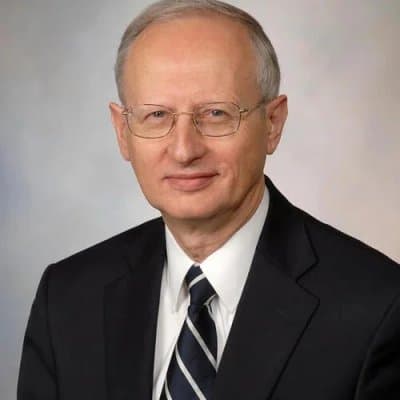
Zbigniew Wszolek, MD
Professor of Neurology, Mayo Clinic College of Medicine and Science; Haworth Family Professorship in Neurodegenerative Diseases
Mayo Clinic Florida
View specialist profileProfessor of Neurology at the Mayo Clinic College of Medicine and Science in Jacksonville, Dr. Wszolek holds the Haworth Family Professorship in Neurodegenerative Diseases at Mayo Clinic Florida. His research focuses on the genetics of parkinsonism and related neurodegenerative diseases.
His group identified a susceptibility locus for Parkinson's disease on chromosome 2p13 in a large familial dataset, one of the earlier linkage studies to point toward heritable risk factors for the disease 5. Later work characterized alpha-synuclein gene triplication in families with hereditary early-onset parkinsonism and showed that doubling of alpha-synuclein protein expression correlated with the severity of cell loss in affected brain regions 3. He also contributed to the international consortium that defined the worldwide genetic penetrance of LRRK2-associated Parkinson's disease, finding that lifetime risk among LRRK2 mutation carriers varies by ancestry and by which specific mutation they carry 2.
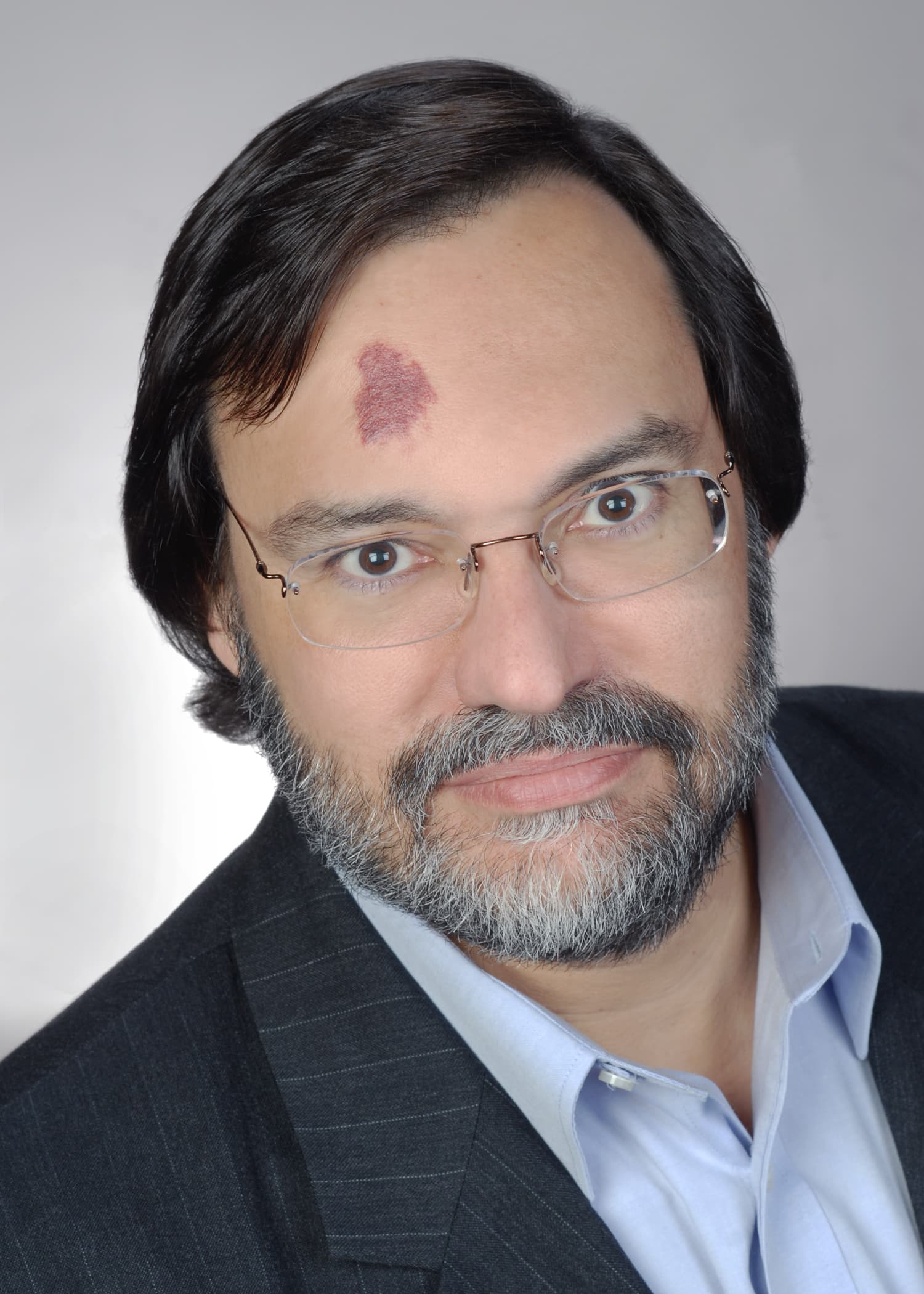
Robert Hauser, MD
Professor of Neurology, Molecular Pharmacology, and Physiology; Director, USF Health Byrd Parkinson's Disease and Movement Disorders Center
Tampa General Hospital
View specialist profileProfessor of Neurology, Molecular Pharmacology, and Physiology at the University of South Florida, and Director of the USF Health Byrd Parkinson's Disease and Movement Disorders Center, Dr. Hauser practices at Tampa General Hospital. His clinical focus is Parkinson's disease treatment and clinical trials.
He contributed to a multicenter trial testing high-frequency thalamic stimulation for tremor, an early clinical study of what became deep brain stimulation (DBS), which showed significant tremor reduction in both essential tremor and Parkinson's patients over one year of follow-up 10. His work on the REAL-PET study compared ropinirole versus levodopa in early Parkinson's disease using dopamine PET imaging and found that the dopamine agonist was associated with slower decline in striatal dopamine terminal function over two years 9. Dr. Hauser also participated in the ADAGIO trial, a double-blind delayed-start study of rasagiline published in the New England Journal of Medicine, which tested whether early treatment with this MAO-B inhibitor might have a disease-modifying effect 7.
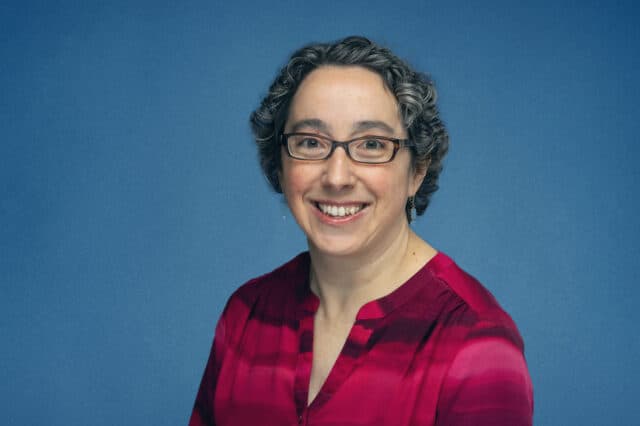
Melissa Armstrong, MD
Professor and Associate Chair of Faculty Development, Department of Neurology; Director, UF Health Mangurian Clinical-Research Headquarters for Lewy Body Dementia
UF Health Shands Hospital
View specialist profileProfessor and Associate Chair of Faculty Development in the Department of Neurology at the University of Florida, Dr. Armstrong directs the UF Health Mangurian Clinical-Research Headquarters for Lewy Body Dementia at UF Health Shands Hospital in Gainesville. Her work covers Parkinson's disease, Lewy body dementia, and rarer movement disorders including corticobasal degeneration.
She is first and corresponding author on a JAMA review of Parkinson's disease diagnosis and treatment cited more than 2,600 times, covering clinical criteria for diagnosis, pharmacologic options at each disease stage, and interventions such as deep brain stimulation and levodopa-carbidopa enteral suspension 11. She also led development of practice guidelines on mild cognitive impairment, which overlaps with Parkinson's disease dementia and Lewy body dementia 12. Her work on diagnostic criteria for corticobasal degeneration, a rare movement disorder that can be mistaken for Parkinson's disease, reflects her scope across atypical parkinsonian syndromes 13. She has contributed to neurology guidelines on botulinum neurotoxin for cervical dystonia and blepharospasm as well 14.

Practicing at Mayo Clinic Florida in Jacksonville, Dr. Uitti's research has focused on the genetics of Parkinson's disease, immune system involvement in neurodegeneration, and neuroimaging biomarkers.
He contributed to studies identifying mutations in the VPS35 gene as a cause of autosomal dominant Parkinson's disease 16 and to work characterizing LRRK2 exonic variants and their association with Parkinson's risk across multiple populations 17. Earlier research examined T-lymphocyte population changes in Parkinson's disease patients compared to controls, a line of work pointing toward immune system involvement in the disease process 18. His group also used PET imaging to study LRRK2 mutation carriers who had no clinical symptoms yet, finding compensatory changes in striatal dopamine function that may precede the appearance of motor signs 20.
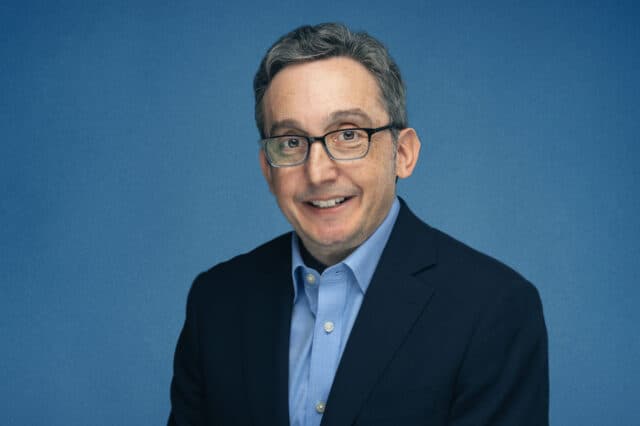
Michael Okun, MD
Chair of Neurology; Executive Director, Norman Fixel Institute for Neurological Diseases
UF Health Shands Hospital
View specialist profileChair of Neurology and Executive Director of the Norman Fixel Institute for Neurological Diseases at UF Health Shands Hospital in Gainesville, Dr. Okun has one of the largest publication records among movement disorders specialists in the United States. His clinical work centers on Parkinson's disease and deep brain stimulation. The Norman Fixel Institute holds Center of Excellence designation for both Parkinson's disease and DBS from their respective national organizations.

Theresa Zesiewicz, MD
Professor of Neurology; Director, Ataxia Research Center; Director, USF Parkinsons Disease and Balance Center
Tampa General Hospital
View specialist profileProfessor of Neurology at the University of South Florida and Director of both the USF Ataxia Research Center and the USF Parkinson's Disease and Balance Center, Dr. Zesiewicz practices at Tampa General Hospital. Her clinical and research interests cover Parkinson's disease, essential tremor, and ataxia.
She is first and corresponding author on a 2010 review of essential tremor that covers epidemiology, pathogenesis, and treatment options including DBS of the ventral intermediate nucleus of the thalamus 23. A simulator-based study she led found that Parkinson's disease patients had significantly more collisions than controls, with collision rate correlating with disease stage, which informs the driving safety counseling that neurologists provide 22. Her work on ataxia rating scales examined which clinical measurement tools are most reliable for tracking cerebellar disorders, relevant both for clinical trials and for monitoring patients over time 21.
What a movement disorders specialist treats
- Parkinson's disease and atypical parkinsonian syndromes, including multiple system atrophy, progressive supranuclear palsy, and corticobasal degeneration
- Essential tremor
- Dystonia, including cervical dystonia and blepharospasm
- Tardive dyskinesia and other drug-induced movement disorders
- Huntington's disease
- Lewy body dementia when motor symptoms are prominent
- Hereditary ataxias, including Friedreich's ataxia and spinocerebellar ataxias
- Restless legs syndrome and periodic limb movement disorder
- Gait and balance disorders that have not been explained by another diagnosis
Questions to ask before your appointment
- Is my diagnosis confirmed, or are there other conditions that need to be ruled out first?
- What imaging or genetic testing should I have, if any?
- What are my medication options at this stage, and what are the trade-offs between starting earlier versus later?
- At what point would you consider deep brain stimulation, and am I a candidate?
- Are there clinical trials here that I might be eligible for?
- How will you coordinate with my primary care doctor or other specialists?
- Are there physical therapy, occupational therapy, or speech therapy referrals that would help me now?
The bottom line
Movement disorders need a different level of specialization than general neurology. Florida has several programs with the clinical volume and research depth to provide current, evidence-based care for Parkinson's disease, essential tremor, dystonia, and rare inherited conditions. Whether you are newly diagnosed, looking for a second opinion, or dealing with symptoms that have not responded to initial treatment, the physicians in this directory work at centers built specifically for this kind of problem.
Sources
- 1.Common variants at ABCA7, MS4A6A/MS4A4E, EPHA1, CD33 and CD2AP are associated with Alzheimer's disease — Nature Genetics, 2011. DOI
- 2.Phenotype, genotype, and worldwide genetic penetrance of LRRK2-associated Parkinson's disease: a case-control study — The Lancet Neurology, 2008. DOI
- 3.Comparison of kindreds with parkinsonism and α‐synuclein genomic multiplications — Annals of Neurology, 2004. DOI
- 4.Identification of a Novel LRRK2 Mutation Linked to Autosomal Dominant Parkinsonism: Evidence of a Common Founder across European Populations — The American Journal of Human Genetics, 2005. DOI
- 5.
- 6.Lewy body–like pathology in long-term embryonic nigral transplants in Parkinson's disease — Nature Medicine, 2008. DOI
- 7.A Double-Blind, Delayed-Start Trial of Rasagiline in Parkinson's Disease — New England Journal of Medicine, 2009. DOI
- 8.Neuropathological Evidence of Graft Survival and Striatal Reinnervation after the Transplantation of Fetal Mesencephalic Tissue in a Patient with Parkinson's Disease — New England Journal of Medicine, 1995. DOI
- 9.Slower progression of Parkinson's disease with ropinirole versus levodopa: The REAL‐PET study — Annals of Neurology, 2003. DOI
- 10.High‐frequency unilateral thalamic stimulation in the treatment of essential and parkinsonian tremor — Annals of Neurology, 1997. DOI
- 11.
- 12.
- 13.
- 14.Practice guideline update summary: Botulinum neurotoxin for the treatment of blepharospasm, cervical dystonia, adult spasticity, and headache [RETIRED] — Neurology, 2016. DOI
- 15.Genome-wide pharmacogenetic investigation of a hepatic adverse event without clinical signs of immunopathology suggests an underlying immune pathogenesis — The Pharmacogenomics Journal, 2007. DOI
- 16.
- 17.Association of LRRK2 exonic variants with susceptibility to Parkinson's disease: a case–control study — The Lancet Neurology, 2011. DOI
- 18.Alterations of T-lymphocyte populations in Parkinson disease — Parkinsonism & Related Disorders, 2005. DOI
- 19.Translation Initiator EIF4G1 Mutations in Familial Parkinson Disease — The American Journal of Human Genetics, 2011. DOI
- 20.PET in LRRK2 mutations: comparison to sporadic Parkinson's disease and evidence for presymptomatic compensation — Brain, 2005. DOI
- 21.
- 22.
- 23.Assessment of Ataxia Rating Scales and Cerebellar Functional Tests: Critique and Recommendations — Movement Disorders, 2020. DOI
- 24.
- 25.Wearable body and wireless inertial sensors for machine learning classification of gait for people with Friedreich's ataxia, 2016. DOI
Related specialist lists
neurology / movement disorders
Top movement disorders doctors in New York (2026)
Six leading movement disorders neurologists in New York — what they specialize in, their research, and how to find the right fit for Parkinson's, tremor, or dystonia.
neurology
Best Neurologists in New York
Six of New York's top neurologists — covering migraine, epilepsy, stroke, MS, and brain tumors — selected by peer recognition and published research.
neurology
Top neurologists in California 2026
Six of California's top neurologists — covering stroke, multiple sclerosis, Alzheimer's disease, and epilepsy — selected by published research and peer recognition.