Expert list · Last reviewed April 13, 2026
Top Cardiac Electrophysiologists in New York
Six New York cardiac electrophysiologists specializing in AFib ablation, ventricular arrhythmias, pulsed field ablation, and left atrial appendage closure.
Loading map…
If your heart has been misfiring — skipping, racing, or fluttering at odd hours — a cardiac electrophysiologist is the right doctor to see. These are cardiologists who completed extra training specifically in the electrical system of the heart. They diagnose and treat arrhythmias, perform catheter ablation procedures, and implant pacemakers and defibrillators. For conditions like atrial fibrillation, ventricular tachycardia, or sudden cardiac arrest risk, seeing an EP rather than a general cardiologist typically gives you access to more options, more current evidence, and more procedural experience.
New York has several of the country's most active electrophysiology programs. The six doctors profiled here practice at NYU Langone and the Mount Sinai Health System. Their published research spans AFib ablation, next-generation pulsed field technology, ventricular arrhythmia management, and stroke prevention through left atrial appendage closure. This page is grounded in their documented clinical credentials and peer-reviewed work. No provider paid to be included.
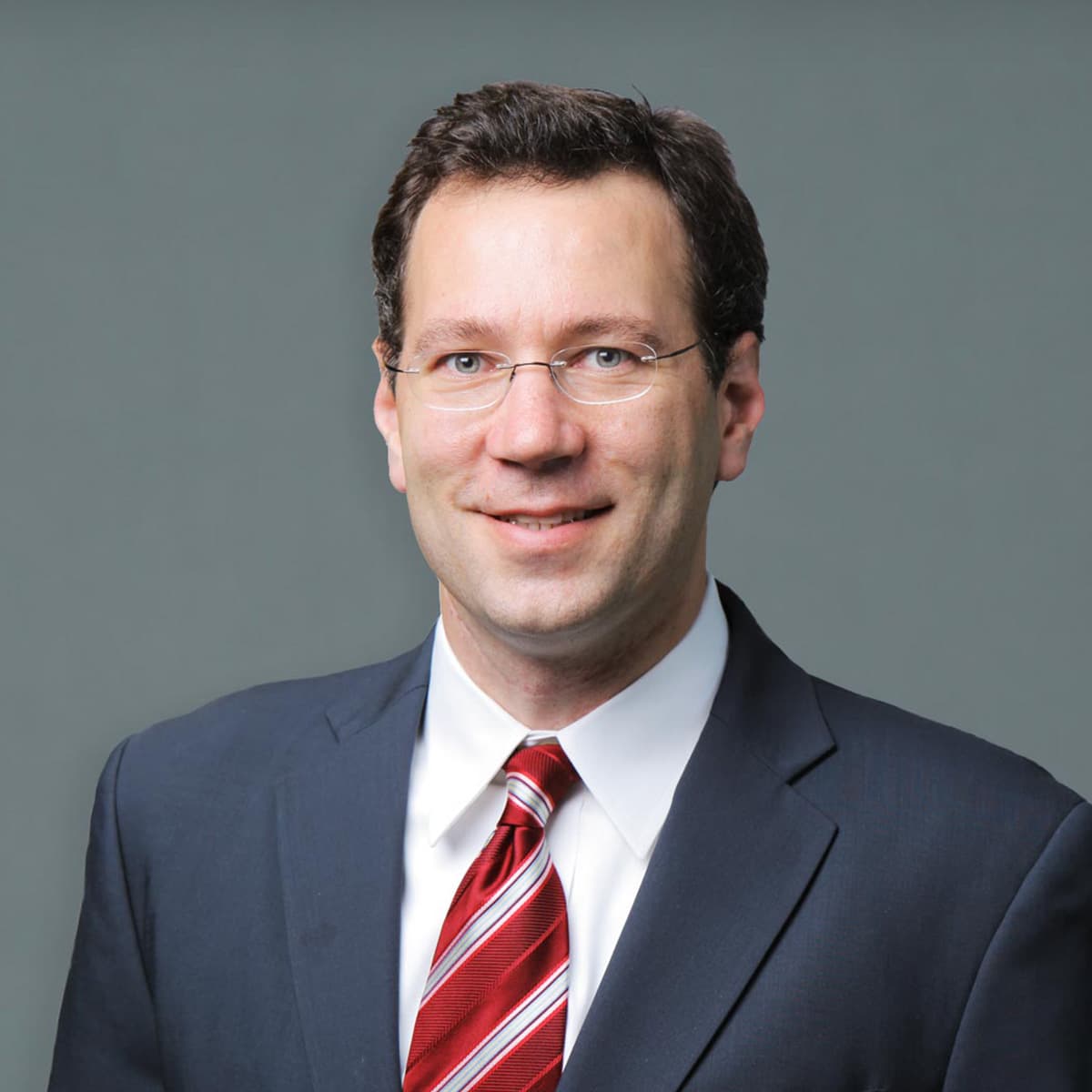
Anthony Aizer, M.D.
Associate Professor, Department of Medicine at NYU Grossman School of Medicine
NYU Langone Hospitals, New York
View specialist profileNYU Langone Hospitals | AFib, arrhythmia risk, QT monitoring | Research 4
Anthony Aizer is Associate Professor in the Department of Medicine at NYU Grossman School of Medicine and practices across NYU Langone Hospitals and NYC Health + Hospitals/Bellevue. His clinical work covers atrial fibrillation and arrhythmia risk assessment, with a particular focus on how lifestyle and comorbid conditions interact with heart rhythm.
His 2009 first-author study in The American Journal of Cardiology examined the relationship between vigorous exercise and AFib risk in male physicians — a question that still comes up in clinical practice for active patients who develop arrhythmia 1. More recently, during the COVID-19 pandemic, Dr. Aizer contributed to two widely cited studies examining QT interval prolongation in patients treated with hydroxychloroquine and azithromycin. The 2020 Nature Medicine paper tracked QT changes in 84 patients and found that while QT prolongation was common, torsades de pointes (a dangerous arrhythmia) occurred in only 11 percent of those with the longest QT intervals 2. A companion paper in Heart Rhythm the same year reached consistent conclusions in a separate cohort 3. These papers directly shaped how electrophysiologists monitored patients during a period of widespread off-label drug use. He also co-authored a 2015 JACC: Clinical Electrophysiology study on whether treating obstructive sleep apnea reduces AFib recurrence after ablation — a question relevant to any patient with both conditions 4.

Srinivas Dukkipati, MD
Professor of Medicine, Cardiology
Mount Sinai Hospital, New York
View specialist profileMount Sinai Hospital | Ventricular arrhythmias, refractory ablation, esophageal safety | Research 4
Srinivas Dukkipati is Professor of Medicine in Cardiology at the Icahn School of Medicine at Mount Sinai and sees patients at Mount Sinai Hospital and Mount Sinai Queens. His practice focuses on complex catheter ablation, particularly for patients with ventricular arrhythmias that have not responded to standard therapy.
Dr. Dukkipati led the 2019 JACC paper on intramural needle radiofrequency ablation — a technique for reaching arrhythmia circuits buried deep within the heart wall, where conventional catheters cannot deliver enough energy. The study reported meaningful arrhythmia control in a patient population that had already failed conventional ablation, with an acceptable procedural risk profile 6. Earlier work published in Heart Rhythm in 2012 described bipolar irrigated ablation as a way to treat refractory intramural tachycardia circuits in both atrial and ventricular locations 5. For patients who have been told their ventricular tachycardia cannot be ablated, Dr. Dukkipati's program is one of the places doing the most technically demanding work in that space.
He has also published on procedural safety during AFib ablation, including how the esophagus — which sits directly behind the left atrium — can be injured during posterior wall ablation. A 2011 paper in the Journal of Cardiovascular Electrophysiology described a mechanical displacement technique that moves the esophagus out of the ablation zone 7; a 2018 follow-up in Heart Rhythm tracked the natural history of esophageal injuries across different ablation approaches 8. If you are weighing an AFib ablation procedure, the complication conversation will almost certainly include the esophageal injury question, and Dr. Dukkipati's published work is part of how that risk is understood today.

Mount Sinai Hospital | Arrhythmia, sudden cardiac death prevention | Research 2
William Whang practices at Mount Sinai Hospital and has contributed research across arrhythmia and cardiovascular risk. His published work includes a 2010 European Heart Journal study examining whether positive affect — essentially emotional wellbeing — was protective against incident coronary heart disease over a 10-year follow-up period in a large Canadian population cohort. The study found that higher positive affect was associated with lower rates of coronary heart disease, independent of negative affect and established risk factors 9. He also contributed to analysis from the CABG Patch Trial, published in Circulation in 1999, which examined how patients died in a large randomized ICD trial following bypass surgery. That paper found that ICD therapy reduced arrhythmic death by 45 percent but had no effect on nonarrhythmic deaths — and because most deaths in the trial were nonarrhythmic, total mortality was not reduced 10. It remains a foundational paper in understanding the limits of ICD therapy for post-surgical patients.
Jacob Koruth, M.D.
Associate Professor, Medicine, Cardiology
Mount Sinai Hospital, New York
View specialist profileMount Sinai Hospital | Pulsed field ablation, AFib, leadless pacing | Research 5
Jacob Koruth is Associate Professor of Medicine and Cardiology at the Icahn School of Medicine at Mount Sinai. He practices at Mount Sinai Hospital and Mount Sinai Queens. He is one of the principal investigators behind pulsed field ablation (PFA) — a next-generation energy source for AFib ablation that uses short electrical pulses rather than heat, allowing more selective tissue destruction that largely spares the esophagus and pulmonary veins.
Dr. Koruth was the first or corresponding author on four of the foundational PFA papers. His 2019 first-in-human JACC study reported that PFA achieved durable pulmonary vein isolation with good chronic safety, establishing the initial human evidence for the technology 11. A 2018 JACC: Clinical Electrophysiology paper that preceded the clinical trials described the basic science of using pulsed electric fields for AFib ablation 15. Two subsequent papers extended the evidence: a 2020 JACC study showed PFA was safe and durable in persistent AFib (not just the paroxysmal form) 13, and a 2021 JACC: Clinical Electrophysiology paper reported favorable 1-year arrhythmia recurrence rates using a single-shot PFA catheter 12. PFA has now received FDA clearance and is becoming one of the most-discussed energy sources in EP. If your electrophysiologist has mentioned it as an option for AFib ablation, Dr. Koruth's program at Mount Sinai did much of the clinical trial work behind the recommendation.
He also led early feasibility work on permanent leadless cardiac pacing, published in Circulation in 2014 — the first study to establish the safety and clinical performance of a miniaturized, self-contained pacemaker implanted directly into the right ventricle without transvenous leads 14.

Mount Sinai Hospital | AFib, left atrial appendage occlusion, anticoagulation | Research 3
Mohit Turagam practices at Mount Sinai Hospital and has published in arrhythmia and AFib-adjacent areas including anticoagulation management and imaging guidance during left atrial appendage occlusion procedures. His 2011 first-author paper in The American Journal of Cardiology reviewed the epidemiology and mechanisms of atrial fibrillation in competitive athletes — a patient population where AFib tends to present at younger ages and with different risk-factor profiles than in the general population 16. A 2015 first-author paper in Cardiology in Review examined circulating biomarkers that might predict which patients develop AFib after cardiac surgery, a complication that occurs in up to 40 percent of post-operative patients and significantly extends hospital stays 17.
He also contributed to a 2018 meta-analysis in the Journal of Cardiovascular Electrophysiology comparing intracardiac echocardiography (ICE) and transesophageal echocardiography (TEE) for guidance during left atrial appendage closure procedures. The analysis found ICE to be as effective as TEE and with the added advantage of avoiding the need for general anesthesia, which is required for TEE 18. For patients being evaluated for WATCHMAN or similar procedures, the imaging modality question is one your proceduralist should be discussing with you.

Vivek Reddy, MD
Director, Cardiac Arrhythmia Service, The Mount Sinai Hospital and Mount Sinai Health System; The Leona M. and Harry B. Helmsley Charitable Trust Professor of Medicine in Cardiac Electrophysiology, Icahn School of Medicine at Mount Sinai
Mount Sinai Hospital, New York
View specialist profileMount Sinai Hospital | Left atrial appendage closure, AFib, ventricular arrhythmias | Research 5
Vivek Reddy directs the Cardiac Arrhythmia Service at The Mount Sinai Hospital and holds the Leona M. and Harry B. Helmsley Charitable Trust Professorship in Cardiac Electrophysiology at the Icahn School of Medicine at Mount Sinai. His practice covers AFib, ventricular arrhythmia, and stroke prevention through left atrial appendage closure. He is among the most published electrophysiologists in the world, with an h-index of 110.
Much of Dr. Reddy's most widely cited work involves left atrial appendage (LAA) closure — a catheter-based procedure that seals off the small pouch in the left atrium where most AFib-related blood clots form. For patients with AFib who cannot tolerate long-term anticoagulation, this procedure offers an alternative route to stroke prevention. He was first or corresponding author on the pivotal JAMA 2014 paper comparing LAA closure to warfarin in patients with non-valvular AFib, which found the procedure noninferior to ongoing warfarin therapy 22; and on the 5-year outcomes paper published in JACC in 2017, which showed that the stroke prevention benefit from LAA closure was durable over time and that the device group had lower rates of late stroke 21. Earlier, a 2009 Lancet paper established the initial non-inferiority case for the WATCHMAN device compared to warfarin in the PROTECT AF trial 19, and a 2014 JACC paper from the PREVAIL trial confirmed the finding in a different patient population 20.
Dr. Reddy also led a 2007 New England Journal of Medicine trial showing that prophylactic catheter ablation reduced appropriate ICD shocks in patients with ischemic cardiomyopathy and an implanted defibrillator — one of the early studies to establish a role for ablation in ventricular tachycardia prevention in high-risk patients 23.
What a cardiac electrophysiologist treats
- Atrial fibrillation (AFib) and atrial flutter
- Ventricular tachycardia (VT) and ventricular fibrillation (VF)
- Supraventricular tachycardia (SVT), including AVNRT and accessory pathway syndromes like Wolff-Parkinson-White
- Heart block and sick sinus syndrome requiring pacemaker therapy
- Sudden cardiac arrest and inherited arrhythmia syndromes (Long QT, Brugada, ARVC)
- AFib-related stroke risk and left atrial appendage closure for patients who cannot take blood thinners
- Implantable cardioverter-defibrillator (ICD) and cardiac resynchronization therapy (CRT) device management
- Post-operative and post-surgical arrhythmias
Questions to ask before an ablation or device procedure
- What specific type of ablation are you recommending, and why is it more appropriate than the alternatives for my situation?
- What energy source will you use — radiofrequency, cryoablation, or pulsed field — and how does that affect the risk profile?
- How many procedures like this have you performed, and what is your success rate at this center?
- What happens if the first ablation does not work? What are the next steps?
- Will I still need blood thinners after the procedure, and for how long?
- If a pacemaker or ICD is recommended, what are the criteria that led to that decision, and what would make it unnecessary?
- Are there clinical trials I should know about before committing to a specific approach?
The bottom line
New York's two dominant electrophysiology programs are at NYU Langone and the Mount Sinai Health System. Between them, they cover the full spectrum of arrhythmia care: from straightforward AFib ablation to some of the most technically difficult ventricular arrhythmia cases in the country. The six doctors here have published the research that electrophysiologists worldwide use to make treatment decisions. If your arrhythmia has not responded to medication, if you are weighing ablation against long-term drug therapy, or if you need a device evaluation, getting to one of these programs for at least a consultation is worth the effort.
Sources
- 1.Relation of Vigorous Exercise to Risk of Atrial Fibrillation — The American Journal of Cardiology, 2009. DOI
- 2.The QT interval in patients with COVID-19 treated with hydroxychloroquine and azithromycin — Nature Medicine, 2020. DOI
- 3.QT interval prolongation and torsade de pointes in patients with COVID-19 treated with hydroxychloroquine/azithromycin — Heart Rhythm, 2020. DOI
- 4.Effect of Obstructive Sleep Apnea Treatment on Atrial Fibrillation Recurrence — JACC. Clinical electrophysiology, 2015. DOI
- 5.Bipolar irrigated radiofrequency ablation: A therapeutic option for refractory intramural atrial and ventricular tachycardia circuits — Heart Rhythm, 2012. DOI
- 6.Infusion Needle Radiofrequency Ablation for Treatment of Refractory Ventricular Arrhythmias — Journal of the American College of Cardiology, 2019. DOI
- 7.Mechanical Esophageal Displacement During Catheter Ablation for Atrial Fibrillation — Journal of Cardiovascular Electrophysiology, 2011. DOI
- 8.Temporal relationships between esophageal injury type and progression in patients undergoing atrial fibrillation catheter ablation — Heart Rhythm, 2018. DOI
- 9.Don't worry, be happy: positive affect and reduced 10-year incident coronary heart disease: The Canadian Nova Scotia Health Survey — European Heart Journal, 2010. DOI
- 10.
- 11.Pulsed Field Ablation for Pulmonary Vein Isolation in Atrial Fibrillation — Journal of the American College of Cardiology, 2019. DOI
- 12.Pulsed Field Ablation of Paroxysmal Atrial Fibrillation — JACC. Clinical electrophysiology, 2021. DOI
- 13.Pulsed Field Ablation in Patients With Persistent Atrial Fibrillation — Journal of the American College of Cardiology, 2020. DOI
- 14.
- 15.Ablation of Atrial Fibrillation With Pulsed Electric Fields — JACC. Clinical electrophysiology, 2018. DOI
- 16.
- 17.Circulating Biomarkers Predictive of Postoperative Atrial Fibrillation — Cardiology in Review, 2015. DOI
- 18.Intracardiac vs transesophageal echocardiography for percutaneous left atrial appendage occlusion: A meta‐analysis — Journal of Cardiovascular Electrophysiology, 2018. DOI
- 19.Percutaneous closure of the left atrial appendage versus warfarin therapy for prevention of stroke in patients with atrial fibrillation: a randomised non-inferiority trial — The Lancet, 2009. DOI
- 20.Prospective Randomized Evaluation of the Watchman Left Atrial Appendage Closure Device in Patients With Atrial Fibrillation Versus Long-Term Warfarin Therapy — Journal of the American College of Cardiology, 2014. DOI
- 21.5-Year Outcomes After Left Atrial Appendage Closure — Journal of the American College of Cardiology, 2017. DOI
- 22.
- 23.Prophylactic Catheter Ablation for the Prevention of Defibrillator Therapy — New England Journal of Medicine, 2007. DOI
Related specialist lists
cardiology / electrophysiology
Best Cardiac EP Specialists in California
Six of California's top cardiac electrophysiologists at UCLA, UCSF, and Stanford — selected by research output, peer recognition, and clinical credentials.
cardiology / electrophysiology
Top cardiac electrophysiologists in Virginia 2026
Five Virginia cardiac electrophysiologists selected by research output and clinical focus — covering atrial fibrillation, pacemakers, ICDs, and sudden cardiac death.
cardiology
Top Cardiologists in New York 2026
New York's top cardiologists ranked by research output, peer recognition, and subspecialty expertise — covering TAVR, interventional cardiology, and cardiovascular risk.