
Best Epilepsy specialists in Maryland

Match with a top Epilepsy specialist in Maryland — priority appointment in days, not months.
Epilepsy · Maryland
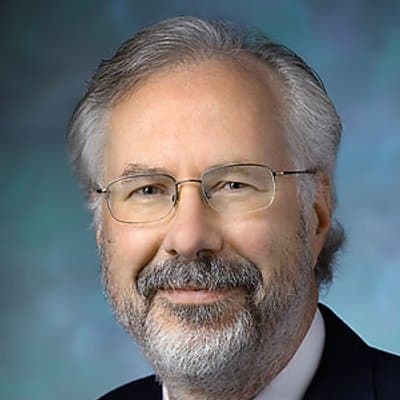
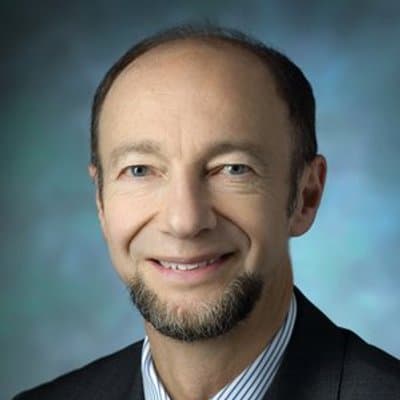
Gregory Krauss

Gregory Krauss, M.D.

Professor of Neurology, Johns Hopkins University School of Medicine

Neurology
Baltimore, MD
Carl Stafstrom

Carl Stafstrom, MD PHD

Professor of Neurology and Pediatrics; Director, Division of Pediatric Neurology; Lederer Endowed Chair in Pediatric Epilepsy, Johns Hopkins University School of Medicine

Neurology

Baltimore, MD
Peter Kaplan

Peter Kaplan, M.D.

Professor of Neurology, Johns Hopkins University School of Medicine

Neurology

Baltimore, MD
Catherine Chu

Catherine Chu, MD

Vice President of Child Neurology, Kennedy Krieger Institute; Director, Division of Pediatric Neurology and John M. Freeman Pediatric Epilepsy Center, Johns Hopkins Children’s Center

Neurology

Middle River, MD
Eric Kossoff

Eric Kossoff, M.D.

Professor of Neurology and Pediatrics, Johns Hopkins School of Medicine

Neurology

Baltimore, MD
Nathan Crone

Nathan Crone, M.D.

Professor of Neurology, Johns Hopkins University School of Medicine; Director, Johns Hopkins Epilepsy Center; Co-Director, Epilepsy Fellowship Program

Neurology

Baltimore, MD
Peter Crino

Peter Crino, MD

Professor of Neurology and Chair, Department of Neurology

Neurology

Baltimore, MD
John Probasco

John Probasco, MD

Medical Director, Inpatient General Neurology Service

Neurology

Baltimore, MD
Eric Jeffries

Eric Jeffries, MD

Fellow of the American Academy of Neurology (FAAN)

Neurology

Wheaton, MD
Khalil Husari

Khalil Husari, M.D

Assistant Professor of Neurology

Neurology

Baltimore, MD
Perry Foreman

Perry Foreman, M.D.

Director, Epilepsy Center and Clinical Neurophysiology Laboratory

Neurology

Randallstown, MD
Ronald Lesser

Ronald Lesser, M.D.

Professor of Neurology, Professor of Neurological Surgery; Director, Clinical Neurophysiology Fellowship Program

Neurology

Baltimore, MD
Alexander Ramos

Alexander Ramos, MD

Director, Inpatient Epilepsy Service and Director, Epilepsy Neuromodulation Program

Neurology

Bethesda, MD
Barry Gordon

Barry Gordon, M.D.

Therapeutic Cognitive Neuroscience Chair and Professor of Neurology, Johns Hopkins University School of Medicine

Neurology

Baltimore, MD
Emily Johnson

Emily Johnson, MD

Associate Professor, Neurology

Neurology

Baltimore, MD
Babitha Haridas

Babitha Haridas, MD

Neurology

Baltimore, MD
Kemar Green

Kemar Green, DO

Assistant Professor

Neurology

Baltimore, MD
Jennifer Hopp

Jennifer Hopp, M.D.

Professor of Neurology, Director, University of Maryland Epilepsy Center

Neurology

Baltimore, MD
Jennifer Haagensen

Jennifer Haagensen, D.O.

Neurology

Baltimore, MD
Bahareh Sianati

Bahareh Sianati, M.D.

Neurology

Baltimore, MD

Frequently Asked Questions

What does a Epilepsy neurologist do?
A Epilepsy neurologist is a Neurology physician with focused training in the evaluation and treatment of seizure disorders, including drug-resistant epilepsy. After completing Neurology residency, they pursue additional fellowship training so they can manage cases that fall outside what a general neurologist typically handles day to day.
What conditions does a Epilepsy neurologist treat?
A Epilepsy neurologist commonly treats focal and generalized epilepsy, drug-resistant seizures, first-time seizure evaluation, video-EEG monitoring, and candidacy for epilepsy surgery. Many also see closely related conditions within Neurology, particularly when a case is complex, atypical, or has not responded to first-line care from a general neurologist.
When should I see a Epilepsy neurologist?
Consider seeing a Epilepsy neurologist when your seizures are not controlled on medication, or you are being evaluated for epilepsy surgery, when a primary care clinician or general neurologist suggests a focused evaluation, or when you want a second opinion from a physician whose practice is concentrated on this exact area. Patients often reach a Epilepsy neurologist through referral, but you can also seek one directly.
How is a Epilepsy neurologist different from a general neurologist?
Both are board-eligible neurologists, but a Epilepsy neurologist has additional fellowship training and a practice that focuses on the evaluation and treatment of seizure disorders, including drug-resistant epilepsy. General neurologists treat a broad range of Neurology concerns; Epilepsy neurologists concentrate on the harder or more specific cases within that range, and tend to see a higher volume of patients with focal and generalized epilepsy, drug-resistant seizures, first-time seizure evaluation, video-EEG monitoring, and candidacy for epilepsy surgery.
How does Convene match me with a top Epilepsy neurologist?
Convene Health evaluates neurologists on peer recognition, clinical leadership, published research, institutional affiliations, and patient feedback. When you complete an intake, our care team reviews your history and matches you with a vetted Epilepsy neurologist whose focus aligns with your case. Membership covers priority appointment coordination; the match itself is free.