
Best Neuromuscular Medicine specialists in Maryland

Match with a top Neuromuscular Medicine specialist in Maryland — priority appointment in days, not months.
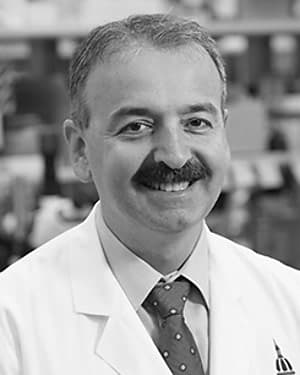
Neuromuscular Medicine · Maryland
Ahmet Hoke

Ahmet Hoke, M.D.

Professor of Neurology and Neuroscience, Director of Neuromuscular Division

Neurology

Middle River, MD
Michael Polydefkis

Michael Polydefkis, M.D.

Professor of Neurology; Director of EMG Laboratory and Cutaneous Nerve Laboratory, Johns Hopkins University School of Medicine

Neurology
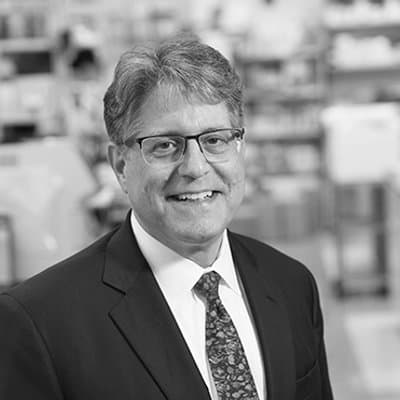
Baltimore, MD
Jeffrey Rothstein

Jeffrey Rothstein, M.D.

Professor of Neurology and Neuroscience; Director, Brain Science Institute; John Griffin Director of the Robert Packard Center for ALS Research; Director, Pedersen Brain Science Institute

Neurology

Baltimore, MD
Payam Mohassel

Payam Mohassel, MD

Associate Professor of Neurology

Neurology

Middle River, MD
Merrill Ansher

Merrill Ansher, MD

Neurology

Columbia, MD
Brett Morrison

Brett Morrison, M.D., PH.D.

Associate Professor of Neurology, Johns Hopkins University School of Medicine

Neurology
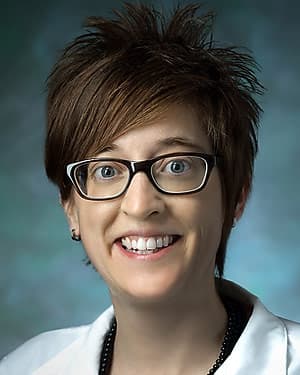
Baltimore, MD
Jessica Nance

Jessica Nance, MD

Assistant Professor of Neurology, Johns Hopkins University School of Medicine

Neurology

Baltimore, MD
Jamal Ali

Jamal Ali, M.D.

Neurology

Hagerstown, MD
Michael Sellman

Michael Sellman, M.D.

Chief, Division of Neurology and Primary Stroke Center, GBMC

Neurology

Baltimore, MD
Charlotte Sumner

Charlotte Sumner, M.D.

Professor of Neurology, Neuroscience, and Genetic Medicine

Neurology

Baltimore, MD
Luke Kao

Luke Kao, M.D., PH.D.

Director, Clinical Neurophysiology Laboratory at Johns Hopkins Howard County Medical Center

Neurology

Columbia, MD
Daniel Hexter

Daniel Hexter, M.D.

Neurology

Annapolis, MD
Tamar Harel

Tamar Harel, MD

Assistant Professor of Neurology

Neurology

Baltimore, MD
Bipasha Mukherjee-Clavin

Bipasha Mukherjee-Clavin, MD, PHD

Co-Director, Charcot-Marie-Tooth (CMT) Multi-Disciplinary Clinic

Neurology

Middle River, MD
James Morgan

James Morgan, M.D., PH.D.

Medical Director, ALS Clinic at TidalHealth Peninsula Regional

Neurology

Salisbury, MD
Paul Melnick

Paul Melnick, MD

Neurology

Elkton, MD
Johannes Reim

Johannes Reim, MD

Neurology

Glen Burnie, MD
Anna Patnaik

Anna Patnaik, MD

Neurology

Baltimore, MD
Sarah Fredrich

Sarah Fredrich, MD

Assistant Professor of Neurology

Neurology

Baltimore, MD
William Tsao

William Tsao, MD

Neurology

Baltimore, MD

Frequently Asked Questions

What does a Neuromuscular Medicine neurologist do?
A Neuromuscular Medicine neurologist is a Neurology physician with focused training in the diagnosis and treatment of disorders affecting nerves, muscles, and the neuromuscular junction. After completing Neurology residency, they pursue additional fellowship training so they can manage cases that fall outside what a general neurologist typically handles day to day.
What conditions does a Neuromuscular Medicine neurologist treat?
A Neuromuscular Medicine neurologist commonly treats ALS, myasthenia gravis, muscular dystrophies, peripheral neuropathy, Guillain-Barré syndrome, and myopathies. Many also see closely related conditions within Neurology, particularly when a case is complex, atypical, or has not responded to first-line care from a general neurologist.
When should I see a Neuromuscular Medicine neurologist?
Consider seeing a Neuromuscular Medicine neurologist when you have unexplained weakness, numbness, or fatigue that may be neuromuscular in origin, when a primary care clinician or general neurologist suggests a focused evaluation, or when you want a second opinion from a physician whose practice is concentrated on this exact area. Patients often reach a Neuromuscular Medicine neurologist through referral, but you can also seek one directly.
How is a Neuromuscular Medicine neurologist different from a general neurologist?
Both are board-eligible neurologists, but a Neuromuscular Medicine neurologist has additional fellowship training and a practice that focuses on the diagnosis and treatment of disorders affecting nerves, muscles, and the neuromuscular junction. General neurologists treat a broad range of Neurology concerns; Neuromuscular Medicine neurologists concentrate on the harder or more specific cases within that range, and tend to see a higher volume of patients with ALS, myasthenia gravis, muscular dystrophies, peripheral neuropathy, Guillain-Barré syndrome, and myopathies.
How does Convene match me with a top Neuromuscular Medicine neurologist?
Convene Health evaluates neurologists on peer recognition, clinical leadership, published research, institutional affiliations, and patient feedback. When you complete an intake, our care team reviews your history and matches you with a vetted Neuromuscular Medicine neurologist whose focus aligns with your case. Membership covers priority appointment coordination; the match itself is free.