Best Medical Oncology specialists in Texas
Match with a top Medical Oncology specialist in Texas — priority appointment in days, not months.

Shreyaskumar Patel, MD
Tenured Professor of Medicine, Robert R. Herring Distinguished Professor of Cancer Research, Medical Director of the Sarcoma Center
Oncology

Frank Fossella, M.D.
Associate Medical Director, Department of Thoracic/Head and Neck Medical Oncology; Professor of Medicine and Internist
Oncology

Eric Jonasch, M.D.
Professor, Department of Genitourinary Medical Oncology, Division of Cancer Medicine, The University of Texas MD Anderson Cancer Center
Oncology

Sattva Neelapu, M.D.
Professor, Department of Lymphoma/Myeloma, Division of Cancer Medicine, The University of Texas MD Anderson Cancer Center, Houston, TX
Oncology

Neeta Somaiah, M.D.
Professor, Department of Sarcoma Medical Oncology; Department Chair, Department of Sarcoma Medical Oncology, Division of Cancer Medicine, The University of Texas MD Anderson Cancer Center
Oncology

John Sarantopoulos, M.D.
Assistant Professor of Medicine, Division of Hematology-Oncology, University of Texas Health Science Center San Antonio
Oncology

Kanwal Raghav, M.D.
Professor, Department of Gastrointestinal (GI) Medical Oncology, Division of Cancer Medicine, The University of Texas MD Anderson Cancer Center
Oncology

Anthony Conley, M.D.
Professor, Department of Sarcoma Medical Oncology, The University of Texas MD Anderson Cancer Center
Oncology

Maura Gillison, MD
Professor of Medicine, Department of Thoracic/Head and Neck Medical Oncology, Division of Cancer Medicine, The University of Texas MD Anderson Cancer Center, Houston, TX
Oncology

Tina Cascone, M.D., PH.D.
Section Chief, Department of Thoracic/Head and Neck Medical Oncology, Division of Cancer Medicine, The University of Texas MD Anderson Cancer Center, Houston, Texas; Associate Professor, Department of Thoracic/Head and Neck Medical Oncology, The University of Texas MD Anderson Cancer Center, Houston, TX
Oncology
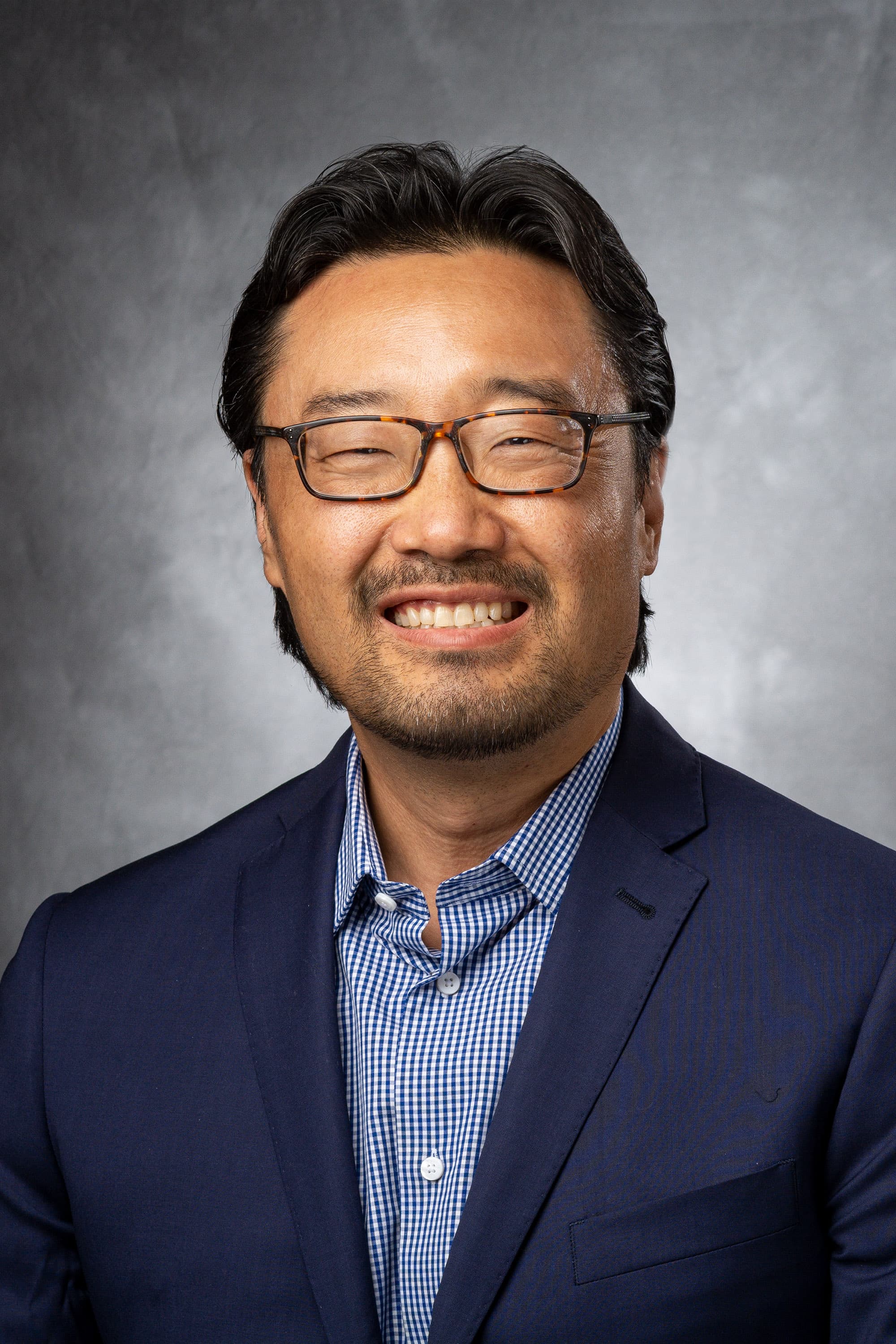
David Hong, M.D.
Professor (tenure), Department of Investigational Cancer Therapeutics, Division of Cancer Medicine; Deputy Chair, Department of Investigational Cancer Therapeutics
Oncology

Nuhad Ibrahim, M.D.
Professor, Department of Breast Medical Oncology, Division of Cancer Medicine, The University of Texas MD Anderson Cancer Center, Houston, TX
Oncology

Christopher Logothetis, M.D.
Professor, Department of Genitourinary Medical Oncology, The University of Texas MD Anderson Cancer Center
Oncology

Alessandra Ferrajoli, M.D.
Associate Medical Director, Department of Leukemia Center, Division of Cancer Medicine, The University of Texas MD Anderson Cancer Center; Professor, Department of Leukemia, The University of Texas MD Anderson Cancer Center
Oncology

Sumit Subudhi, MD, PHD
Associate Professor, Department of Genitourinary Medical Oncology, Division of Cancer Medicine, The University of Texas MD Anderson Cancer Center
Oncology

Milind Javle, MD
Professor, Department of Gastrointestinal Medical Oncology; Hubert L. and Olive Stringer Professor; Chair, NCI Task Force, Hepatobiliary Cancers
Oncology

Bora Lim, MD
Associate Professor, Department of Breast Medical Oncology, Division of Cancer Medicine, UT MD Anderson Cancer Center
Oncology

Andrew Brenner, M.D., PH.D.
Professor of Medicine, Cell Systems and Anatomy; Neuro-Oncology Program Leader; Co-Leader, Experimental and Developmental Therapeutics
Oncology

Michael Overman, M.D.
Professor, Department of Gastrointestinal Medical Oncology; Associate Vice President of Research, Cancer Network, Division of Cancer Medicine, The University of Texas MD Anderson Cancer Center
Oncology

Sunyoung Lee, MD
Assistant Professor, Department of Gastrointestinal (GI) Medical Oncology, Division of Cancer Medicine, The University of Texas MD Anderson Cancer Center
Oncology