
Best Retina & Vitreous specialists in California

Match with a top Retina & Vitreous specialist in California — priority appointment in days, not months.

Retina & Vitreous · California
Theodore Leng

Theodore Leng, MD

Professor of Ophthalmology (Ophthalmology Research/Clinical Trials) and, by courtesy, of Anesthesiology, Perioperative and Pain Medicine

Ophthalmology

San Jose, CA
David Boyer

David Boyer, MD

Adjunct Clinical Professor of Ophthalmology, University of Southern California/Keck School of Medicine

Ophthalmology

Los Angeles, CA
Ehsan Rahimy

Ehsan Rahimy, MD

Adjunct Clinical Associate Professor, Ophthalmology

Ophthalmology

Stanford, CA
Andrew Moshfeghi

Andrew Moshfeghi, MD

Vice Chair for Clinical Affairs, Associate Professor of Clinical Ophthalmology, Keck School of Medicine of USC

Ophthalmology

Los Angeles, CA
Jonathan Davidorf

Jonathan Davidorf, M.D.

Assistant Clinical Professor, UCLA’s Jules Stein Eye Institute

Ophthalmology

West Hills, CA
Irena Tsui

Irena Tsui, MD

Retina and Vitreous Diseases Specialist

Ophthalmology

Arcadia, CA
David Sarraf

David Sarraf, MD

Professor, Ophthalmic Genetics, Doris Stein Eye Research Center, UCLA Health

Ophthalmology

Arcadia, CA
Dante Pieramici

Dante Pieramici, M.D.

Ophthalmology

Santa Barbara, CA
Raymond Douglas

Raymond Douglas, MD, PHD

Professor of Ophthalmology; Director, Orbital and TED Programs

Ophthalmology
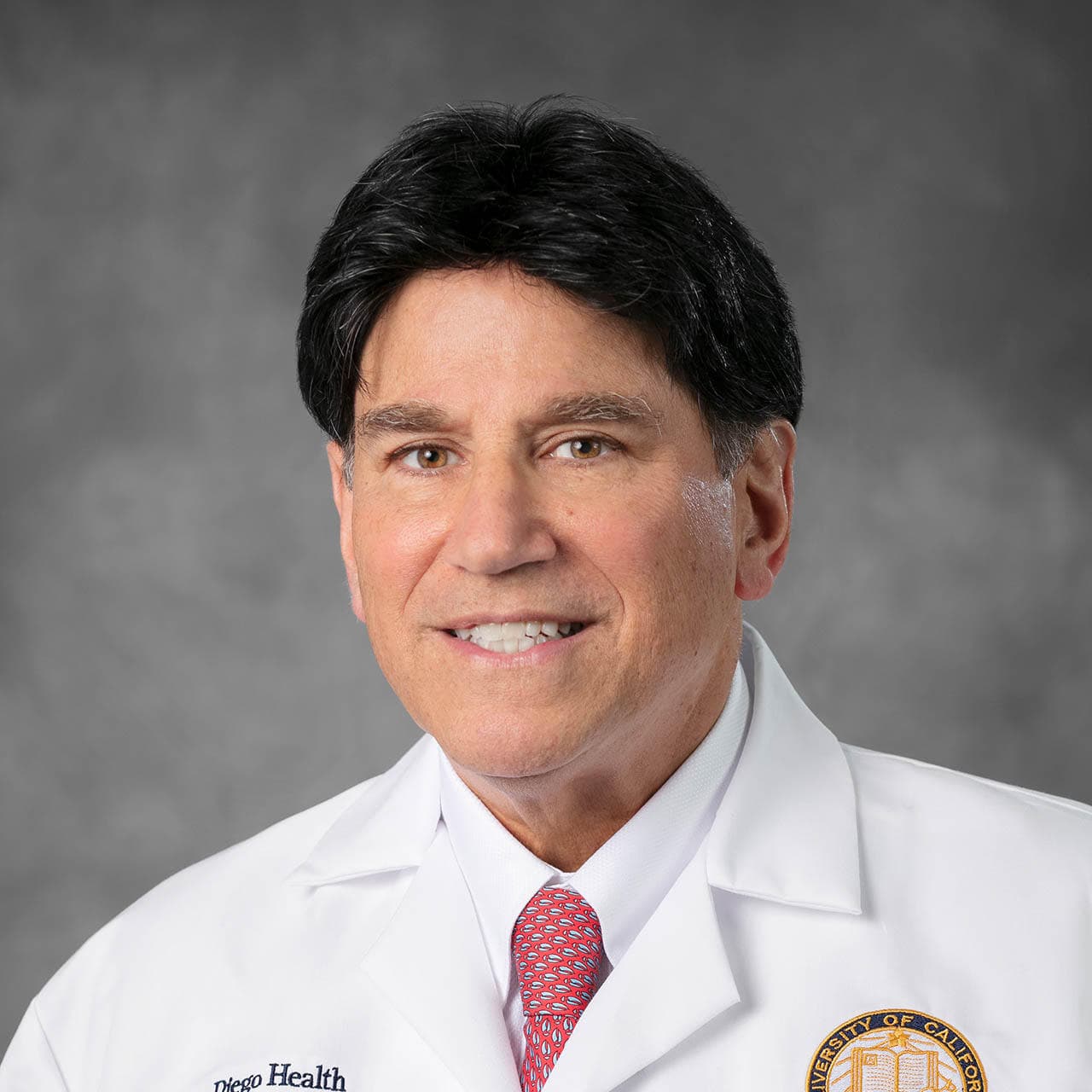
Beverly Hills, CA
Robert Weinreb

Robert Weinreb, MD

Ophthalmology

San Diego, CA
Srinivas Sadda

Srinivas Sadda, MD

A. Ray Irvine, Jr., MD, Endowed Chair in Clinical Ophthalmology and Professor of Ophthalmology at the University of California – Los Angeles (UCLA) Geffen School of Medicine

Ophthalmology

Arcadia, CA
Anita Agarwal

Anita Agarwal, MD

Ophthalmologist

Ophthalmology

San Francisco, CA
Baruch Kuppermann

Baruch Kuppermann, MD

Ophthalmology

Irvine, CA
Gurunadh Vemulakonda

Gurunadh Vemulakonda, MD

Adjunct Clinical Associate Professor, Department of Ophthalmology, Stanford University School of Medicine

Ophthalmology

Palo Alto, CA
Subhransu Ray

Subhransu Ray, M.D., PH.D.

Ophthalmology

Walnut Creek, CA
Joseph Caprioli

Joseph Caprioli, MD

David May II Professor of Ophthalmology

Ophthalmology

Los Angeles, CA
Darius Moshfeghi

Darius Moshfeghi, MD

Chief of the Retina Division and Professor, Horngren Family Vitreoretinal Center, Byers Eye Institute, Department of Ophthalmology, Stanford University School of Medicine

Ophthalmology

Stanford, CA
Kirk Hou

Kirk Hou, MD, PHD

leading specialist in Vitreoretinal Surgery

Ophthalmology

Los Angeles, CA
Weldon Haw

Weldon Haw, M.D.

Clinical Professor of Ophthalmology, UC San Diego School of Medicine & Shiley Eye Institute; Chief of Ophthalmology, San Diego VA Health System

Ophthalmology

La Jolla, CA
James Peace

James Peace, M.D. INC

Founder and Medical Director, United Medical Research Institute

Ophthalmology

Inglewood, CA

Frequently Asked Questions

What does a Retina & Vitreous ophthalmologist do?
A Retina & Vitreous ophthalmologist is a Ophthalmology physician with focused training in the medical and surgical treatment of conditions affecting the retina and vitreous. After completing Ophthalmology residency, they pursue additional fellowship training so they can manage cases that fall outside what a general ophthalmologist typically handles day to day.
What conditions does a Retina & Vitreous ophthalmologist treat?
A Retina & Vitreous ophthalmologist commonly treats macular degeneration, diabetic retinopathy, retinal detachment, macular hole, vitreous hemorrhage, and retinal vein occlusion. Many also see closely related conditions within Ophthalmology, particularly when a case is complex, atypical, or has not responded to first-line care from a general ophthalmologist.
When should I see a Retina & Vitreous ophthalmologist?
Consider seeing a Retina & Vitreous ophthalmologist when you have flashes, floaters, distorted vision, or a known retinal condition needing specialist care, when a primary care clinician or general ophthalmologist suggests a focused evaluation, or when you want a second opinion from a physician whose practice is concentrated on this exact area. Patients often reach a Retina & Vitreous ophthalmologist through referral, but you can also seek one directly.
How is a Retina & Vitreous ophthalmologist different from a general ophthalmologist?
Both are board-eligible ophthalmologists, but a Retina & Vitreous ophthalmologist has additional fellowship training and a practice that focuses on the medical and surgical treatment of conditions affecting the retina and vitreous. General ophthalmologists treat a broad range of Ophthalmology concerns; Retina & Vitreous ophthalmologists concentrate on the harder or more specific cases within that range, and tend to see a higher volume of patients with macular degeneration, diabetic retinopathy, retinal detachment, macular hole, vitreous hemorrhage, and retinal vein occlusion.
How does Convene match me with a top Retina & Vitreous ophthalmologist?
Convene Health evaluates ophthalmologists on peer recognition, clinical leadership, published research, institutional affiliations, and patient feedback. When you complete an intake, our care team reviews your history and matches you with a vetted Retina & Vitreous ophthalmologist whose focus aligns with your case. Membership covers priority appointment coordination; the match itself is free.